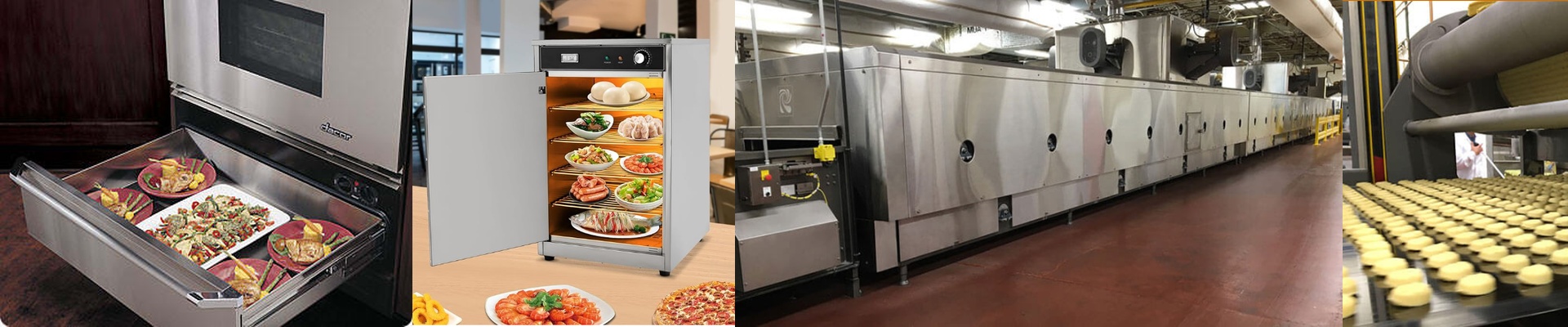
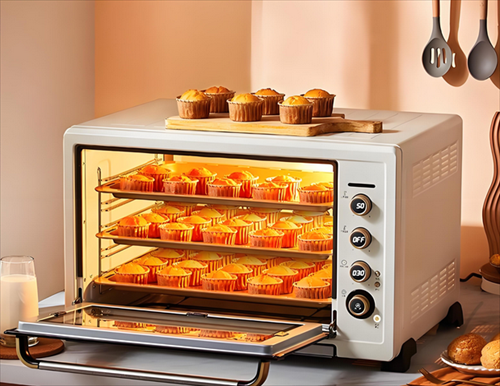
The line is moving fast. Your staff pulls pre-baked items from the deck oven, slides them under the display case, and the window is already calling for the next round. If the heat under the glass falters, the product starts to look tired—steam escapes, the crust goes soft, and the shine fades. You lose the sale, and you lose the timing that keeps the whole service window in rhythm. A 1500W heating bulb for a food display case isn’t just a lamp. It’s the heat source that holds the temperature window that keeps food safe and presentable. When it does its job, you protect quality and protect speed. When it doesn’t, you pay in reheating, giveaways, and labor wasted on rework.
What matters, technically
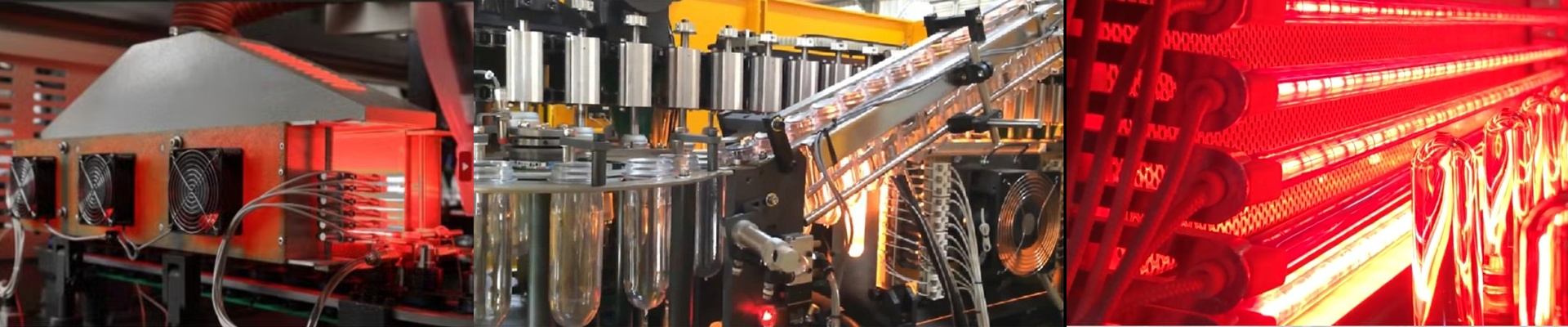
A display case heating bulb has one job: deliver stable, controllable radiant heat that responds quickly. The 1500W rating is chosen because it provides enough output to hold hot-holding temperatures in a typical heated display cabinet without overshooting. It’s a practical power level that balances recovery after door openings against the electrical load of the front counter. The physics are straightforward. Radiant heat transfers straight to the food surface and the pan, not to the surrounding air first. That matters because the display case gets opened and closed constantly. Air temperature swings quickly, but surface temperature responds immediately to radiant input. The result is a more stable holding environment for crusty breads, pizza slices, and skewers that need to stay hot without drying out. In engineering terms, the bulb is built to deliver high heat density in a compact form. It heats fast when the thermostat calls for it, and it shuts off cleanly when the target is reached. That on/off cycling is normal, but a well-matched 1500W element keeps cycle times short and the temperature band narrow. That keeps product temperature in the safe holding range and keeps the visual appeal consistent. We specify the power because it’s the most practical way to match the heat demand of a display case. Too low, and the cabinet can’t recover after a rush. Too high, and the unit short-cycles, which can stress the socket and wiring. 1500W is the point where recovery is fast, control is manageable, and the electrical draw stays within typical countertop circuit design.
Why it works where it matters
The front counter is where the last few degrees decide whether the product sells. You can bake perfectly in the deck oven, but if the holding step is off, the customer sees a soft crust and a lukewarm bite. A 1500W heating bulb helps you hold the line in three practical ways. **It stabilizes holding temperature.**The radiant output compensates for heat lost when the door opens, and it prevents the temperature dip that leads to condensation and staleness. The product keeps the right mouthfeel, and the visuals stay bright under the glass. **It supports consistent output during a rush.**When orders stack up, staff can’t wait for a slow heater to catch up. A 1500W bulb brings the cabinet back to target quickly, so the team keeps plating at pace without reheating or re-spinning the line. **It keeps energy use in check.**A properly matched bulb doesn’t run continuously. It cycles on and off, and in many display setups, that controlled duty cycle means lower energy per hour than an undersized heater that runs constantly trying to reach the same temperature. That’s the kind of efficiency you notice at month-end. This matters across the day. In the morning, you hold pastries and breads at temperature without over-browning. Through the lunch rush, you keep prepared proteins and pizza slices ready to go without drying. In the evening, you maintain quality through the last order, not through extra labor and wasted product.
What you need to know
Installation is simple, but do it with the basics respected. The bulb has to be mounted in the correct socket—rated for the wattage and for the heat environment. The wiring should match the load, and the cabinet needs adequate ventilation so the socket and wiring stay within safe temperature limits. If the cabinet is undersized or poorly ventilated, the bulb will still work, but the thermostat and socket will run hotter, which shortens service life. Compatibility is straightforward: match the voltage of the display case, and make sure the physical length and base fit the fixture. If you’re retrofitting an older unit, confirm the socket type and mounting clearance. If the original bulb was a different wattage, check that the thermostat can handle the higher load; mismatched controls can cause erratic cycling. One practical trade-off is heat density. A 1500W radiant bulb produces strong surface heat—exactly what you want for fast recovery—but that also means the bulb itself runs hot. Treat it like any high-temperature component: don’t touch it during installation, and keep it away from flammable materials. Use the supplied guard where required. Maintenance is minimal, but it matters. Keep the bulb clean, and keep the reflector free of grease and dust. A dirty reflector cuts output, and a fouled bulb can create uneven heating across the pans. When the bulb reaches end of life, replace it as a set with the appropriate socket and guard to keep the heat pattern consistent. In the kitchen, the details are the business. A dependable 1500W heating bulb in the display case keeps product temperature in the right window, keeps the line moving, and keeps energy use under control. That’s how you protect quality while protecting your margins.