

Introduction
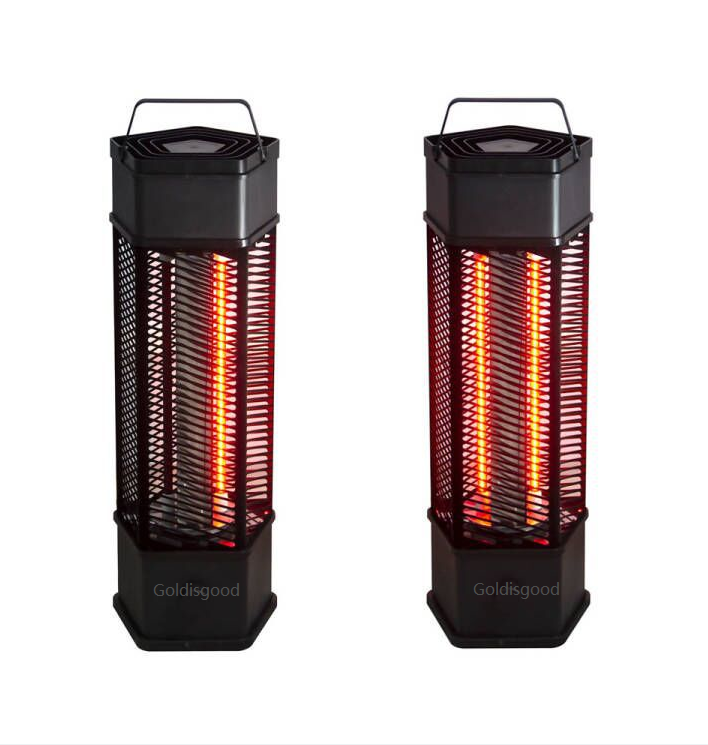
We built this infrared heater to be straight-up practical. It throws heat exactly where you need it—no Energy wasted warming up the air around it. And honestly, it wasn’t just about making it work. We cared about how it was made, too. Every step, from sourcing materials to the final box it ships in, had to meet serious environmental standards.
The Power, Voltage, and Size—Plain Talk
Infrared heaters are all about matching the job. So we engineered this one around precise wattage and voltage, packing a lot of heat into a small footprint. That means you can squeeze more heating power into a tighter machine bay. We made sure it runs on standard industrial voltages. That’s a big win—no extra transformers, and less energy lost in the wiring. The tube length is chosen to focus the radiant heat right where your workpiece is, so you get maximum transfer and minimal stray heat. It keeps energy use down while your process temperature stays steady. One thing to keep in mind: high power density means fast heat-up, but it also needs proper cooling and clearance. So just make sure your enclosure ventilation matches the unit.
Materials and Design—What’s Inside, and Why It Matters
The heating element is wrapped in quartz because it can handle rapid temperature swings without cracking—and it transmits infrared beautifully. Inside, we added a reflective coating to push more radiant energy forward. That improves directional heating and cuts down on waste out the back. For electrical connections, we went with R7s-type connectors. They’re built for high heat, and they give you a secure fit that holds up on a busy factory floor. Installation is quick, and if a tube ever burns out, you can swap it without rewiring the whole fixture. Everything is chosen to survive thermal cycling, vibration, and rough industrial conditions.
Where It Shines—and What You Gain
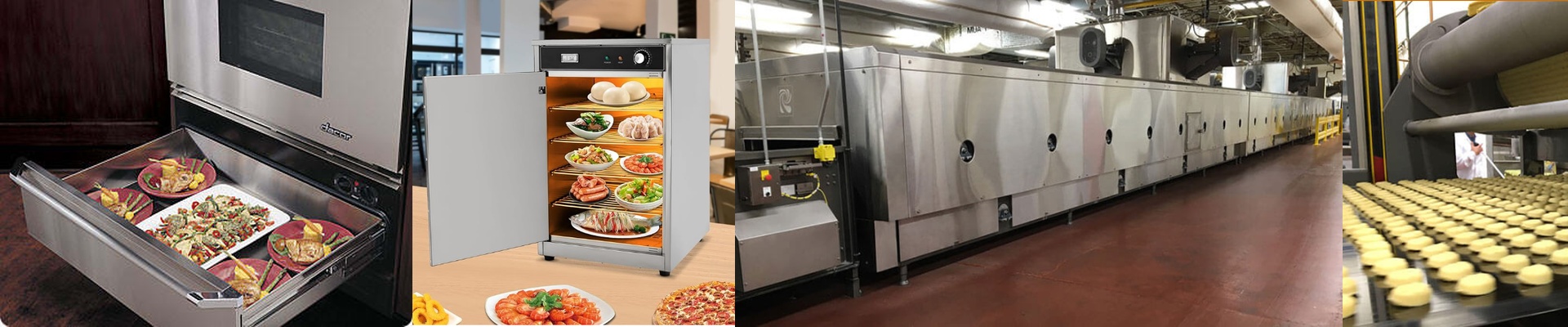
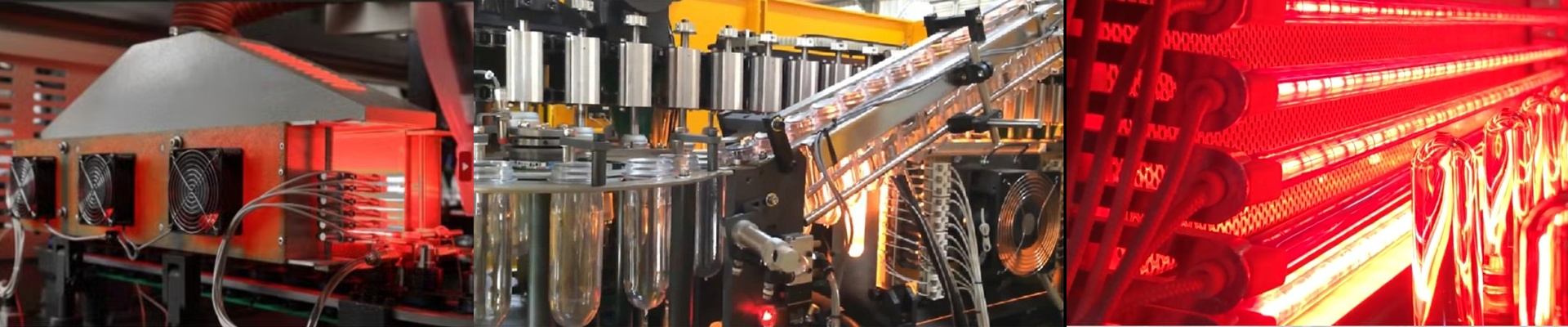
This heater is made for industrial work that needs fast, localized heat: plastic processing, curing, drying, spot heating—you name it. Because the infrared heat hits the target surface immediately, cycle times shrink and your overall energy use drops. Installation is simple. The connector layout is standardized, so it drops right in as a replacement for existing fixtures. And the compact size gives you real flexibility—you can rework a line without a full redesign. In the end, you get a heater that’s clean on paper, easy to wire, and consistent in real life. It’s built to honor environmental commitments throughout its lifespan, without skimping on the heat your process demands.