Getting Your Sidel Matrix Heat Just Right
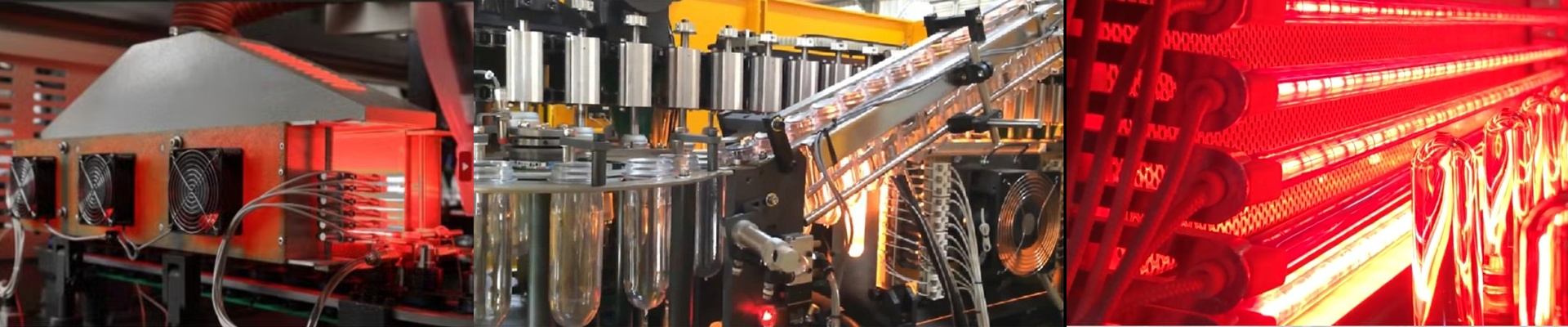
Here is the problem when you swap out OEM lamps in a Sidel Matrix oven: the temperature curve usually shifts. It sounds like a small detail, but if the wattage or wavelength is even a tiny bit off, your PET preforms won’t heat evenly. You end up with inconsistent bottles and a lot of wasted plastic. That’s why we built our infrared radiators to be a true drop-in replacement. We didn’t just “approximate” the specs—we mirrored the electrical and thermal footprint of the originals. The nitty-gritty on the physics We do more than just match the wattage. We align the voltage-to-length ratio. Why? Because that keeps the heat density identical across the entire tube. If the filament diameter is off or the quartz wall is too thick, the emissivity changes. We spec our filaments to follow the original resistance curves. This means when your PLC calls for power, the lamp delivers the exact amount of energy needed to hit that target wall temperature. No guessing. No tweaking. The build and the install We use high-purity quartz glass because nobody wants to deal with premature burnouts. The connectors are built to the same tolerances as the originals, too. You can just wire them in without messing around with your existing sockets. We also focus on the short-wave spectrum. It ensures the heat actually penetrates the PET material quickly, rather than just scorching the surface. What this looks like in the real world These lamps are made for high-speed blowing. Since the parameters match the OEM, you don’t have to spend your entire afternoon recalibrating heating zones or fiddling with the oven speed. You just put them in and get back to work. One quick heads-up, though. If you run these at max output, your cooling blowers are going to work harder. If your ventilation is clogged or acting up, the ambient heat will build up and shorten the lamp’s life—no matter how good the quartz is. Keep your airflow clear, and these things will last.