

Why Your Old Bathroom Heater Keeps Dying (and What Actually Works)
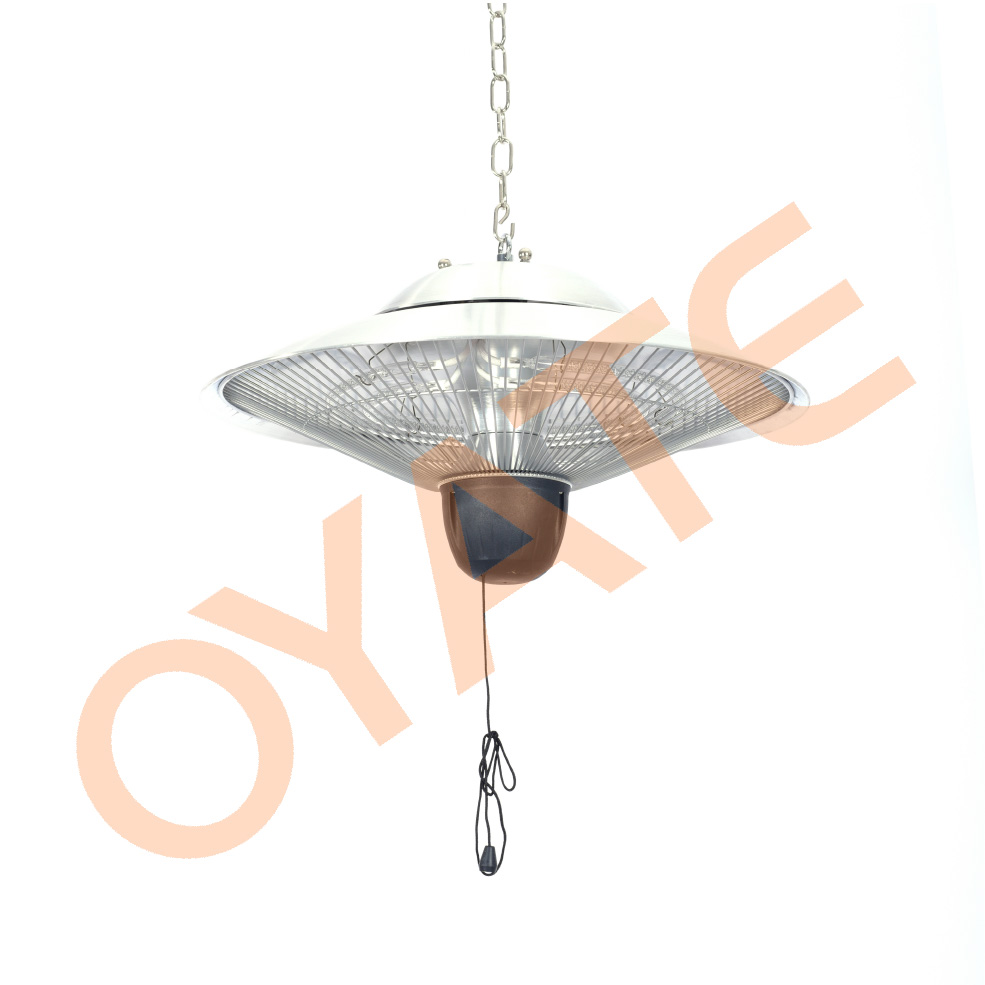
Ever notice how those basic bathroom heat lamps always seem to give up the ghost right when you need them most? It’s usually a simple, annoying problem: steam. Most of those cheap units aren’t actually sealed. Water vapor sneaks inside, messes with the wiring, or just pops the bulbs. It’s a cycle of buying a cheap heater, having it burn out in a couple of winters, and then doing it all over again. That’s why we’ve moved toward high-IP infrared radiators. It sounds technical, but it really just means they’re built to keep the water out. The “Waterproof” Secret If a box says “water-resistant,” take it with a grain of salt. In a steamy bathroom, you want a verified IP rating. We use heavy-duty gaskets and special coatings on the heating elements to create a barrier. It keeps the steam away from the electrical contacts. When you stop the corrosion before it starts, the heater actually lasts. You aren’t replacing the unit every two years because the internals rusted away. Warm Skin, Not Just Warm Air Here is the cool part about the physics. Most heaters just try to warm up the air. But bathrooms have vents and gaps under the door, so that warm air just vanishes. Infrared is different. It doesn’t care about the air. It sends out waves that heat you and the floor directly. It’s that instant, cozy feeling the second you step out of the shower, without having to wait for the whole room to warm up. A Few Things to Keep in Mind It’s not all magic, though. You have to be smart about where you put them. Since they heat surfaces directly, placement is a big deal. Too low, and you’ll get uncomfortable hot spots. Too high, and you won’t feel the heat. Also, don’t just plug these into some old extension cord. They need a dedicated circuit that can handle the power without tripping your breaker mid-shower. At the end of the day, we just want the hardware to last. By shielding the quartz tubes from the humidity, we’re making sure your bathroom stays warm for years, not just a few months. It’s all about keeping the steam where it belongs—on the mirror, not in the electronics.