Stop Losing Money the Moment it Gets Chilly
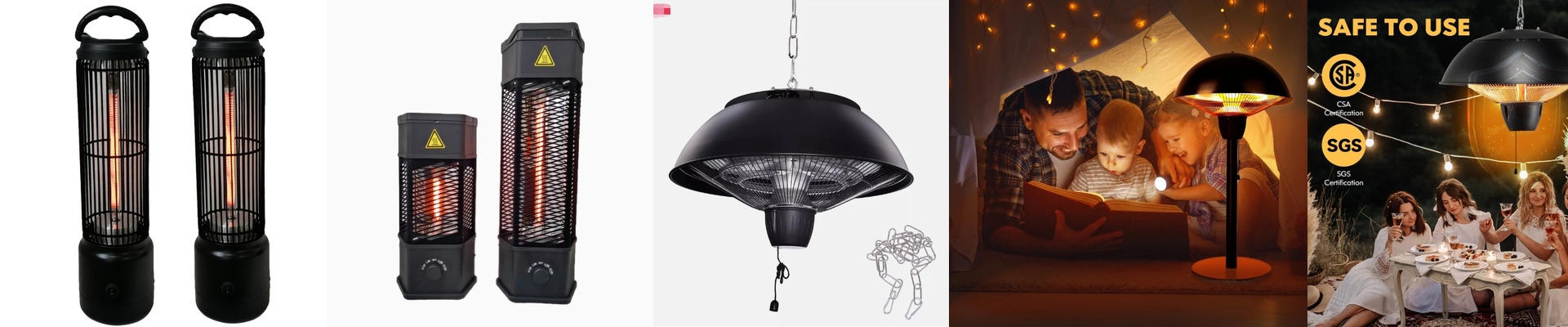
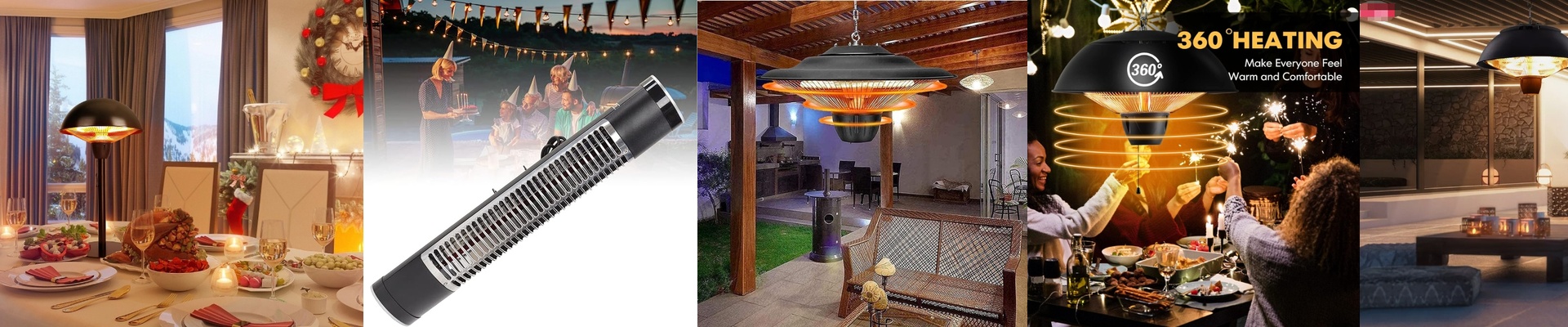
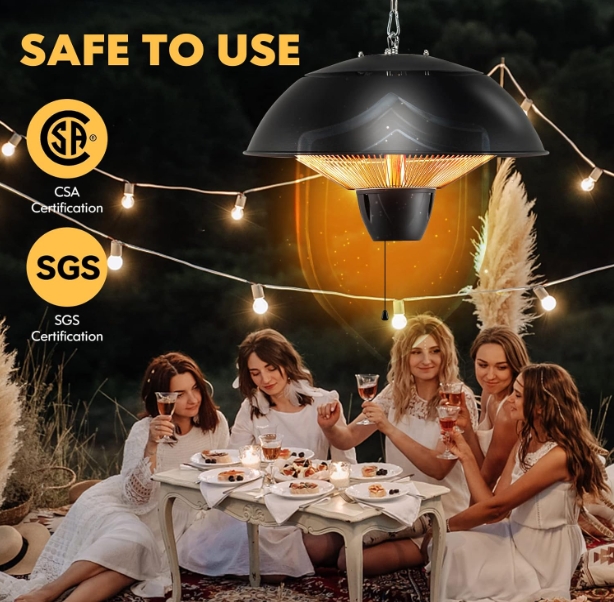
Here is the truth about outdoor dining: the second the temperature dips, your revenue dips with it. Most people try to fix this with those big, clunky forced-air heaters. But in an open space, that’s a losing battle. The heat just floats right up into the sky, leaving your guests shivering in their seats. That’s why we use recessed infrared heaters. Instead of trying to warm the air—which is basically impossible outdoors—these units warm the people. It’s like sitting in the sun on a crisp October day. You feel it immediately. Keeping it clean and cozy Since these units sit flush in the ceiling, you don’t have giant metal towers taking up floor space or getting in the way of your servers. You just get a nice, warm zone right over the table. We stick with short-wave infrared because it actually penetrates through clothes and skin. It doesn’t just graze the surface; it makes people feel warm now. Just a heads-up: the higher your ceiling, the more power we need to make sure that heat actually reaches the guests. The bottom line: Happy guests stay longer Nobody wants to rush through their meal because their toes are freezing. When people are comfortable, they linger. They stay for that extra round of drinks. They actually look at the dessert menu. They order coffee. When you can use every single outdoor table in November or February, your patio stops being a “seasonal” thing and starts acting like a permanent money-maker. The gritty details on installation Now, you can’t just plug these into a wall outlet or tie them into your lighting. These things pull a lot of power. You’ll need a dedicated circuit and some beefy cabling so you don’t deal with voltage drops. Also, the cutouts have to be exact. If your ceiling is on the thinner side, we’ll need to add some structural bracing. You don’t want your ceiling sagging over time just because you wanted a warm patio.