
Introduction
Picture this: you’re in a kitchen that’s moving at lightning speed. Orders flying, timers beeping, and every second counts. We built our stainless steel convection ovens for exactly that kind of pressure. We paired them with integrated infrared heaters because, honestly, industrial kitchens don’t need just heat. They need speed. Here’s the core idea: instead of wasting time heating all the air in the oven, we go straight for the food. It’s direct energy transfer, pure and simple. The real question becomes, how do you get from room temperature to 300°C in seconds? You stop warming the air and start cooking the target.
The Secret to the Speed
The magic isn’t just about blowing hot air around. It’s in the physics of infrared radiation. The IR heater element is built for high power density, which just means it blasts energy right onto the surface of the product. It completely skips the slow step of heating up the whole oven cavity. The payoff is a temperature ramp so fast, traditional hot air blowers can’t even see it in the rearview mirror. Of course, that kind of power needs a serious foundation. We spec out a high-voltage supply—usually 400V—to handle the massive, instantaneous power draw. A single 2500W tube can deliver the heat of a much larger conventional element, but it needs a dedicated circuit. The wiring and contactors are all rated for continuous, high-load operation. You trade a little setup effort for a huge gain in speed. Just make sure your electrical system and cooling are ready for the concentrated heat.
What It’s Built From
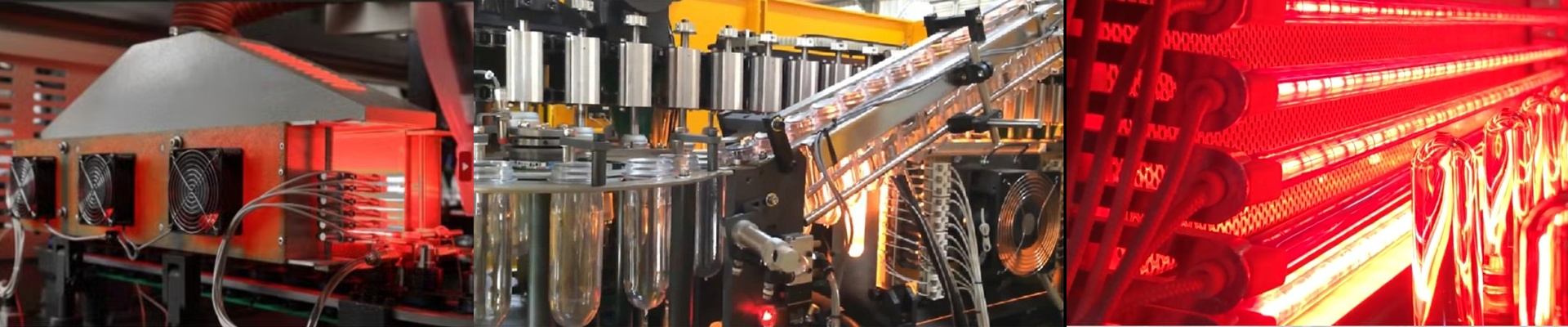
The heater itself is a quartz tube. We chose quartz because it can handle extreme temperature swings and lets infrared energy pass through beautifully. Inside, a halogen gas fill helps the filament heat up almost instantly, which is a big part of why the response time is so quick. We also added a specialized reflector coating to push the maximum amount of energy forward, so you’re not wasting a single watt. For the install, we use an R7s connector. It’s a standard, two-pin end-cap design that makes the element a true drop-in replacement. It holds up to scorching temperatures without melting or deforming, and when it’s time for maintenance on the production line, the swap is quick and painless. Everything is built to take the daily beating of a high-throughput environment.
How It Works for You
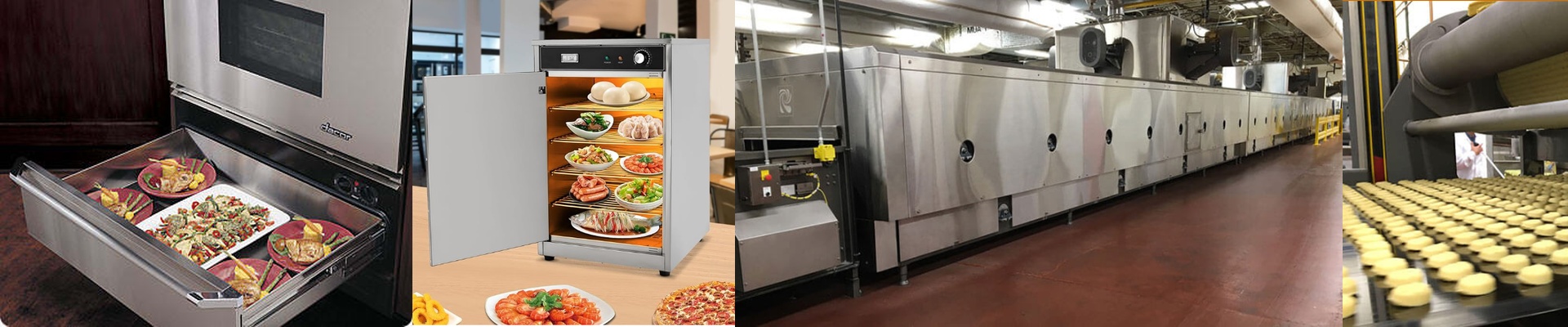
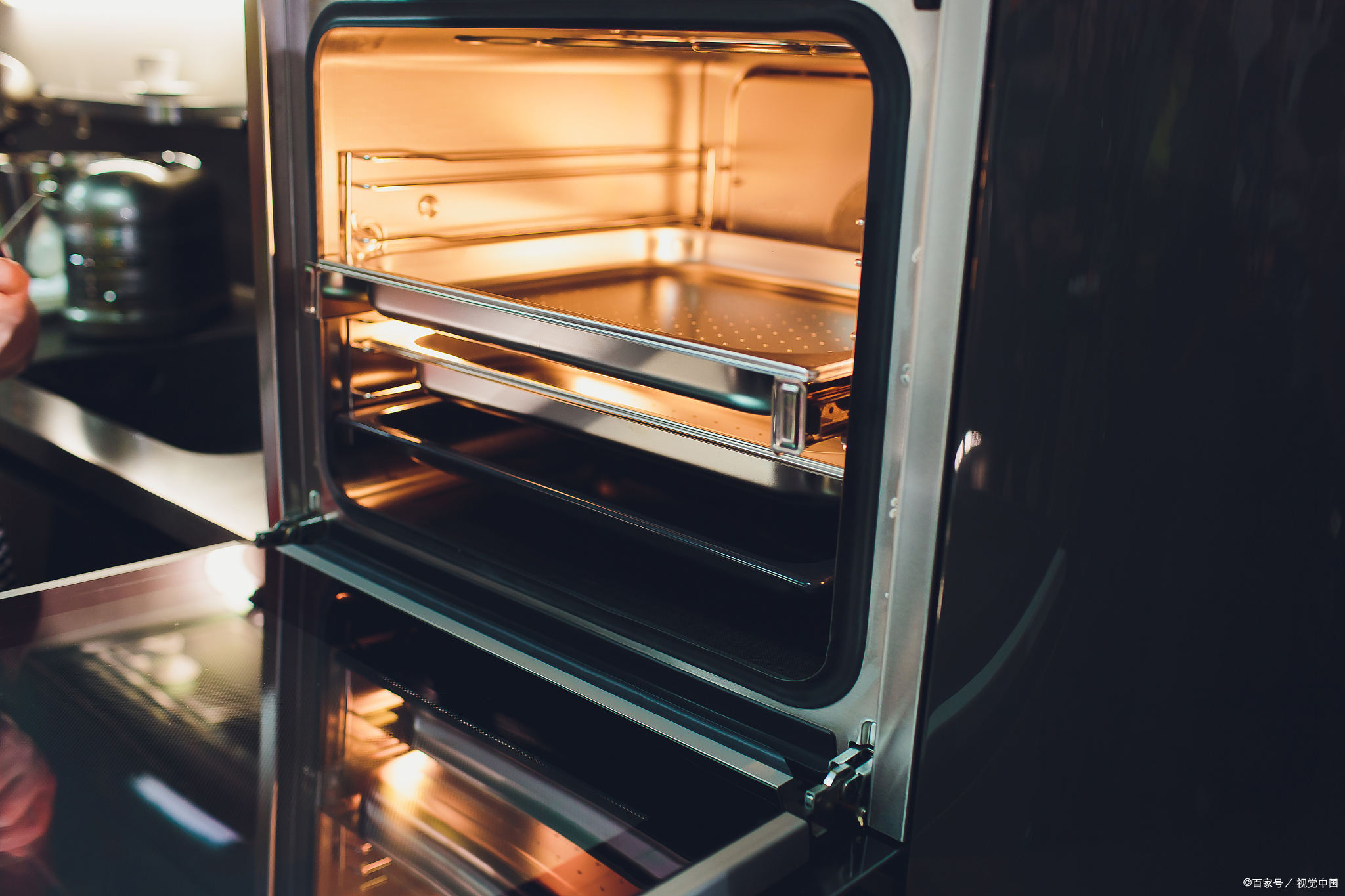
In our stainless steel ovens, the IR heater doesn’t work alone. It teams up with forced air to create a hybrid heating profile that’s the best of both worlds. The IR element delivers that initial, lightning-fast surface heat, and the convection air makes sure the temperature is even from edge to edge. The result? Preheat times plummet, and the whole bake cycle gets shorter. For engineers, this means you can push more product through without needing more space. You get consistent results, and the stainless steel construction can handle the scrubbing and cleaning of a busy commercial kitchen. This system is built for production, not for looks. And the biggest shift? It’s all about control. You’re not just setting a temperature. You’re controlling the rate of energy transfer. That kind of precision lets you execute recipes that were simply impossible with conventional ovens.