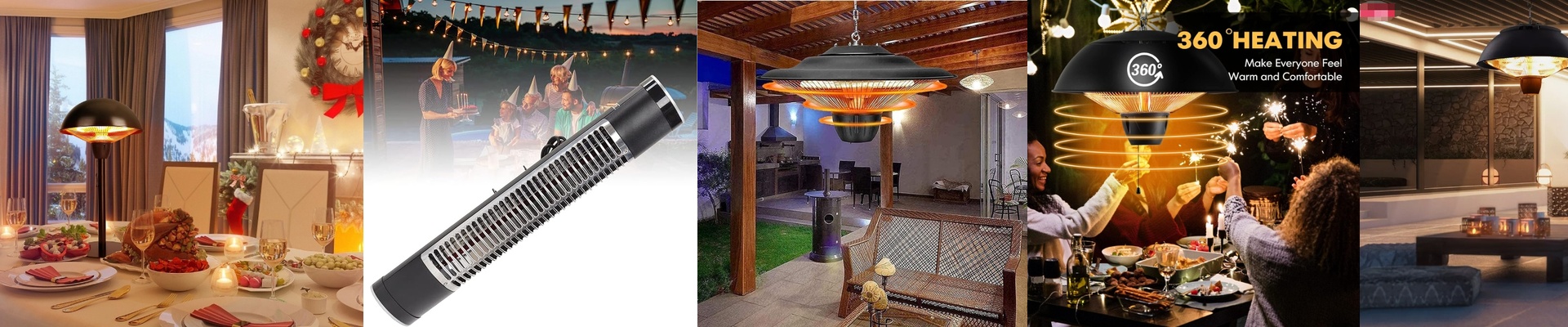

When the evening air bites, the last thing you need is a patio heater that doesn’t play nice with your outlet, your voltage, or your climate. We built our infrared patio heaters to fix that mismatch right at the source. Whether it’s a backyard in North America or a courtyard in Europe, the aim is the same: plug in, feel the warmth, and keep the conversation going.
What actually matters, technically
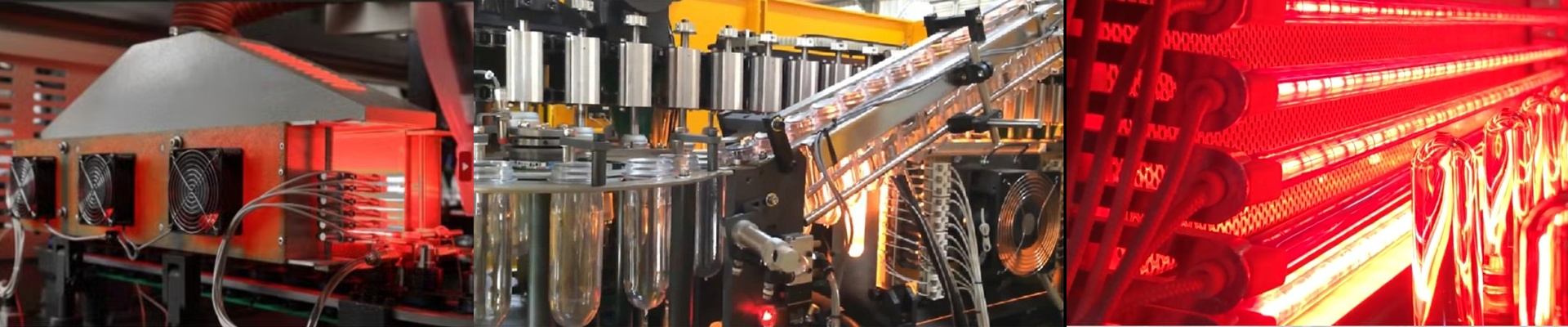
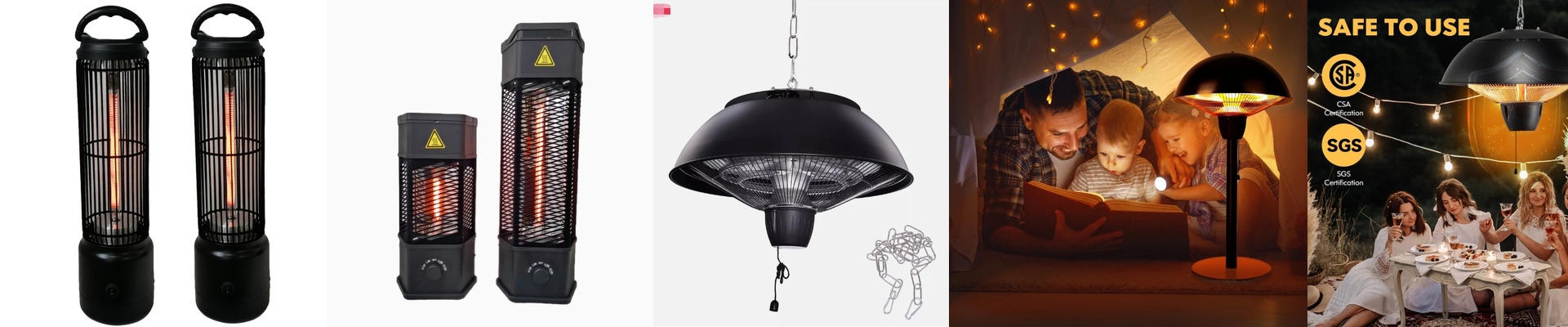
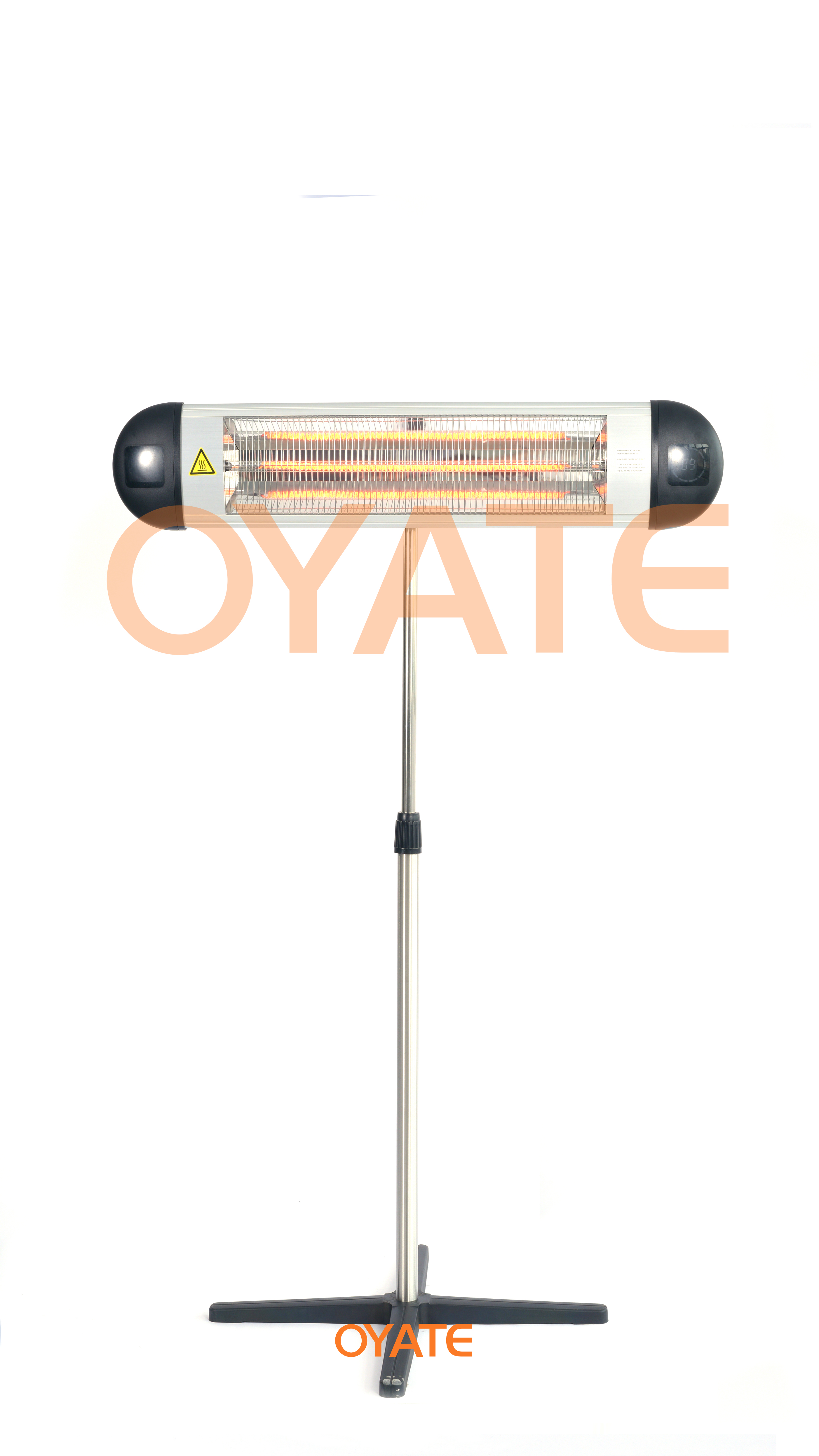
Infrared patio heaters deliver radiant heat—warmth that goes straight to people and surfaces, not the air around them. Our units run on a carbon fiber or quartz element, giving you clean, directional heat that feels natural. The specs are what make the fit. We cover a broad spread of voltages—typically 120V for North American homes, and 220–240V for European and many international circuits. And we match the plug type to local standards, including NEMA, Schuko, BS, and others. On the controls and safety side, you’ll find an adjustable thermostat to hold steady comfort, tip-over protection, and an IP rating that’s fit for outdoor exposure. Wattage is sized to the space, so you get enough output without tripping the circuit.
Why this approach works in the real world
Global customization means you don’t have to settle for less on comfort or safety. If you’re running a restaurant patio, you need heat that’s consistent enough to keep guests seated longer. If you’re hosting family at home, you want a heater that comes on quickly, holds temperature, and stays quiet. Infrared warmth hits fast, supports better circulation on cool nights, and keeps outdoor areas usable even when the temperature dips. Get the voltage and plug right, and installation is straightforward—operating costs stay predictable.
The things you should know before you order
Check your outlet and circuit first. The heater needs a dedicated circuit that matches its voltage and amperage, and the mounting spot needs clearance for airflow and proper heat distribution. Our outdoor-rated designs are built for weather, but direct exposure to heavy rain or wind can cut into efficiency and shorten lifespan—give the unit shelter when you can. Size the heater to the space, and you’ll get steady comfort without pushing the system too hard.