



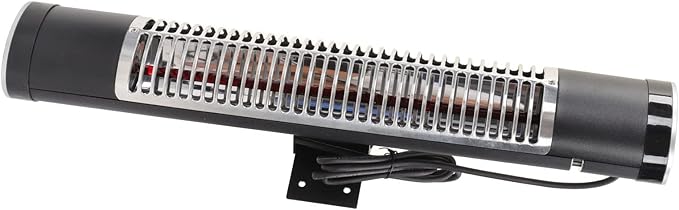
When winter really digs in, the dog house stops being just shelter and starts being a warm refuge. A heater that fogs, shorts, or quits doesn’t just leave your pet cold—it means replacing it sooner than you planned and adding one more worry to your day. We built our top-selling infrared heater to live in that dog-house environment, where moisture, condensation, and splashes quietly chew up lesser units.
What matters, technically
Infrared warmth is direct—no fan noise, no drafts—just radiant heat that warms bedding and surfaces. The core is a quartz tube element, chosen for fast heat-up and even output, paired with a built-in thermostat to hold steady comfort. Protection comes from a sealed design that resists fogging and splashing, backed by a solid IP rating that keeps the internal electronics dry. In practice, that translates to fewer thermal shocks, less corrosion, and consistent performance through damp nights and cold mornings.
Why it holds up in a dog house
A dog house is tight, damp, and exposed. Standard heaters can get hammered by condensation that beads on cold surfaces and works its way into seams. We use an anti-fog approach to cut down moisture on viewing areas, and an anti-splash layout to route stray droplets away from the contacts that matter. The payoff is reliability through repeated wet-and-cold cycles, so you spend less time troubleshooting and more time with peace of mind. Fewer failures also mean fewer replacements—an easy win for comfort and long-term value.
The details you need
This heater is built for sheltered outdoor use, not for direct rain or heavy spray. It needs a grounded outlet and enough clearance around the unit and cord so it can’t contact bedding or tempt chewing. If your dog house is very small, match the wattage to the space so you don’t overheat it. Mount the unit up and out of reach, and pair it with a chew-resistant cord cover for added safety. With placement done thoughtfully, the protection built into this design keeps the warmth coming, season after season.