Fast-Response Halogen Heaters: Why Seconds Matter for Disinfection Cabinets
We built this heater for one reason: disinfection cabinets don’t have time to wait around. They need to hit sterilization temperature fast—then hold it steady. The whole point is to get the job done in seconds, not minutes. That speed isn’t just convenient. It makes the whole process tighter and easier on your energy budget.
The power behind the speed: wattage, voltage, and real-world space
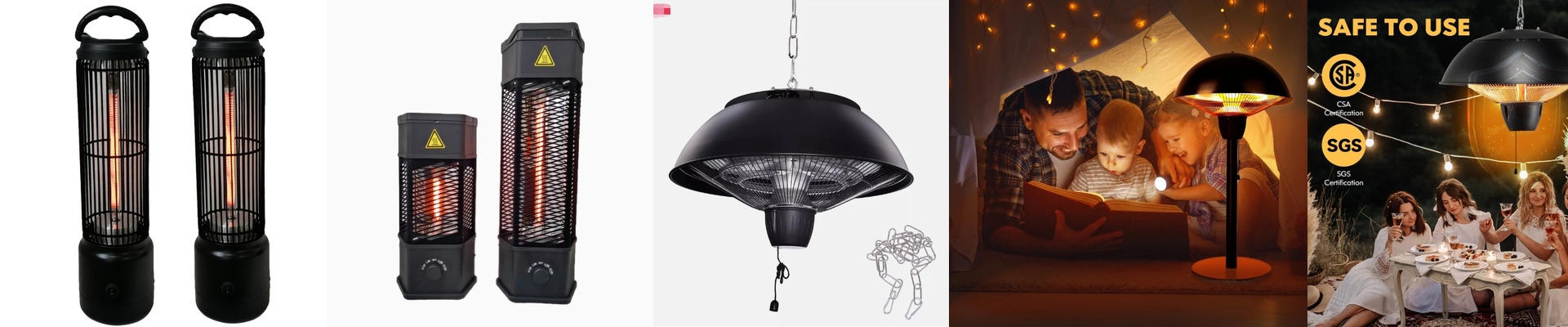
At the heart of it is a high-wattage halogen heating element, packed to deliver serious heat in a small footprint. A typical setup runs 2500W, powered by 400V. That combination is what gives you the heat flux to bring the cabinet temperature up almost instantly. And the size? Around 300mm long. We shaped it to fit standard cabinets while still fitting in enough resistance wire to do the work. But here’s the honest part: this isn’t a plug-and-play solution for every line. Because it runs on 400V, it needs a dedicated power circuit. You’ve got to make sure your facility’s electrical setup can handle the instant load without tripping protection devices.
Why halogen, and why the right connector matters
We chose a halogen-filled quartz tube for a reason. The halogen cycle helps keep the tungsten filament from depositing on the tube wall. In plain terms, that means longer life and heat output that stays consistent. Fewer burnouts. Less downtime on your line. The quartz envelope also handles the abrupt on/off cycling that disinfection cycles demand—without cracking under thermal shock. For installation, we use an R7s connector. It’s a double-ended pin setup that gives you a secure, high-current connection. It’s straightforward to wire, easy to replace, and it keeps the element firmly seated even with vibration. That means fewer hotspots, fewer arcs, and fewer failures than you’d get with cheaper connectors.
Where the energy savings actually come from
Traditional heating methods in disinfection cabinets tend to waste energy by holding temperature during idle time. Our fast-response heater flips that around. It heats up in seconds, runs the disinfection cycle, then shuts off completely. That “second-level response” isn’t a buzzword. It simply means the element isn’t drawing power longer than it needs to. So the energy savings come from cycle-based operation. You’re not paying to keep things hot when the cabinet is open or between cycles. That directly cuts overall kWh use. Yes, there’s a trade-off. You need a controller that can manage rapid switching without stressing the element thermally. But if you’re trying to lower energy costs and push more cycles through, that trade-off is exactly what makes the difference.