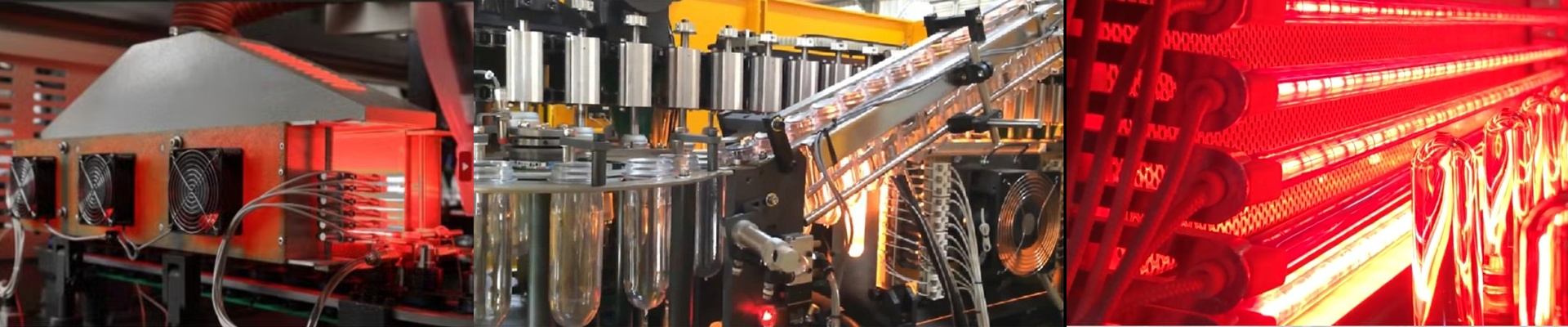
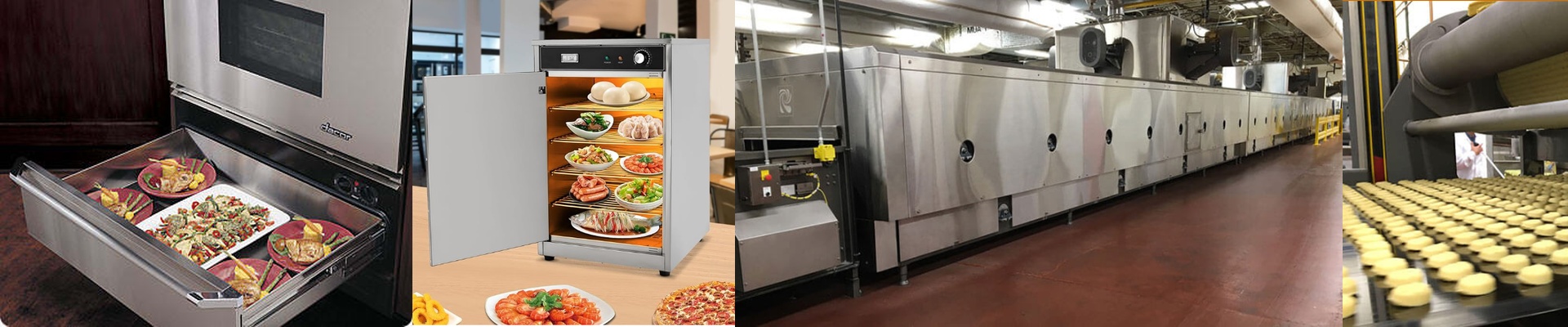

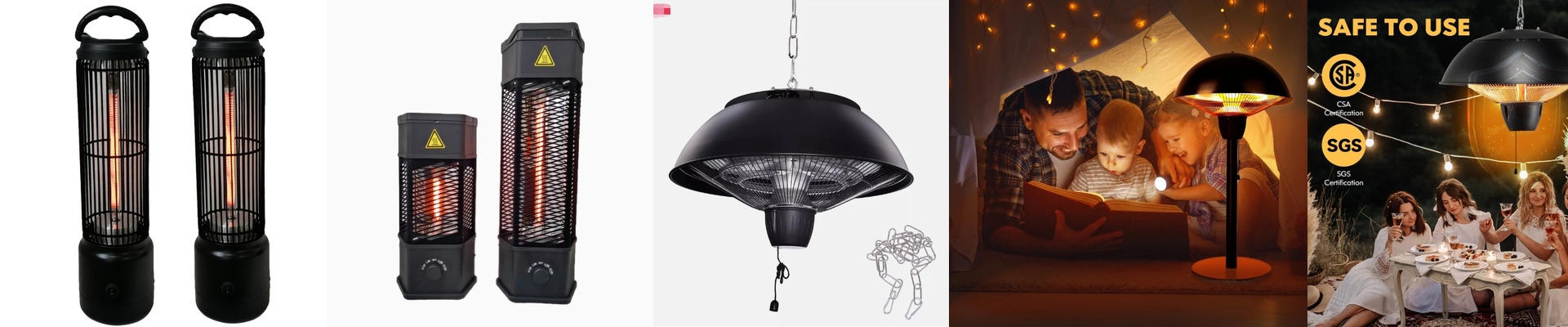
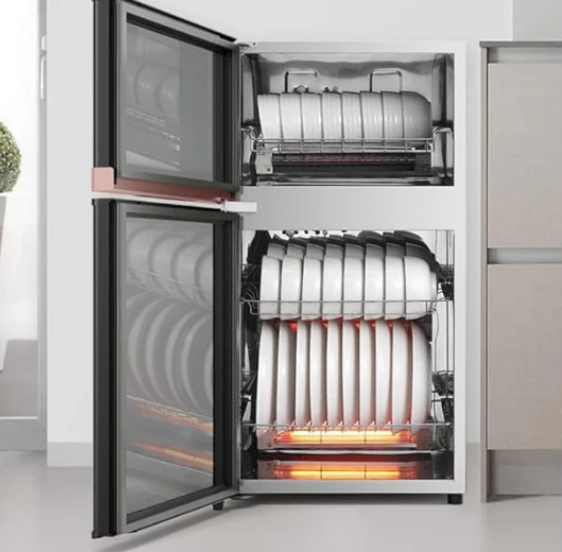
On a packed concession line, a hot dog warmer that takes too long to come up or cooks unevenly isn’t just a headache—it stretches out service, tanks holding temps, and leaves product stuck in that gray area between warm and safe. You need heat that hits fast, stays steady, and snaps back instantly between orders. That all comes down to picking the right heating element for the job. What matters under the hood We build these with quartz infrared, plain and simple, because it responds quickly and gives you tight control. A standard 120V, 300W quartz element comes up to temp in seconds, so you stop waiting and start serving. The radiant heat hits the product surface directly without scorching the pan, and you get consistent output across the whole warming zone, not just one hot spot. In a 24-inch unit, that means even coverage from one end to the other. Expect stable holding temps with way less on/off cycling than conventional coil elements, and a service life of 3,000+ hours under normal duty cycles. Here’s why it works in a high-turnover hot dog station: speed and consistency pay the bills. Quartz infrared brings the unit up fast and recovers quickly after each batch, so the dogs stay plump and evenly heated. No dried-out casings, no cold centers—just steady output that keeps the line moving. Because the heat is focused on the product, you get the same performance with less ambient heat in the kitchen, which makes the area more comfortable and eases the load on nearby equipment. A few practical notes. Match the element to the right controller and give yourself proper clearance to the pan and food load. Run it on a dedicated power circuit to avoid voltage drop, and remember the quartz tube doesn’t like shock—mounting has to be secure and aligned. Before you order, verify your warmer’s voltage, terminal spacing, and mounting bracket, and make sure it’s compatible with your existing thermostat or solid-state control.