Stop Fighting Your Steam Oven’s Temperature
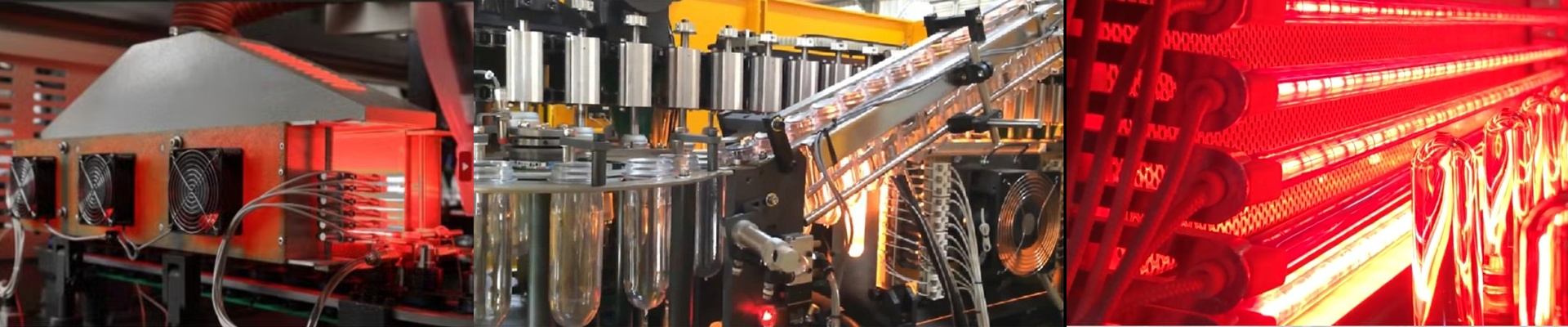
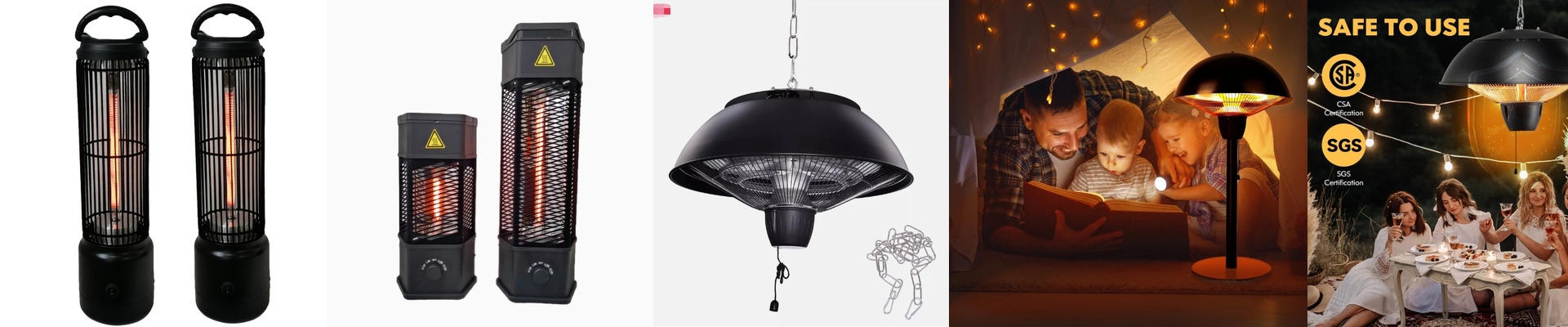
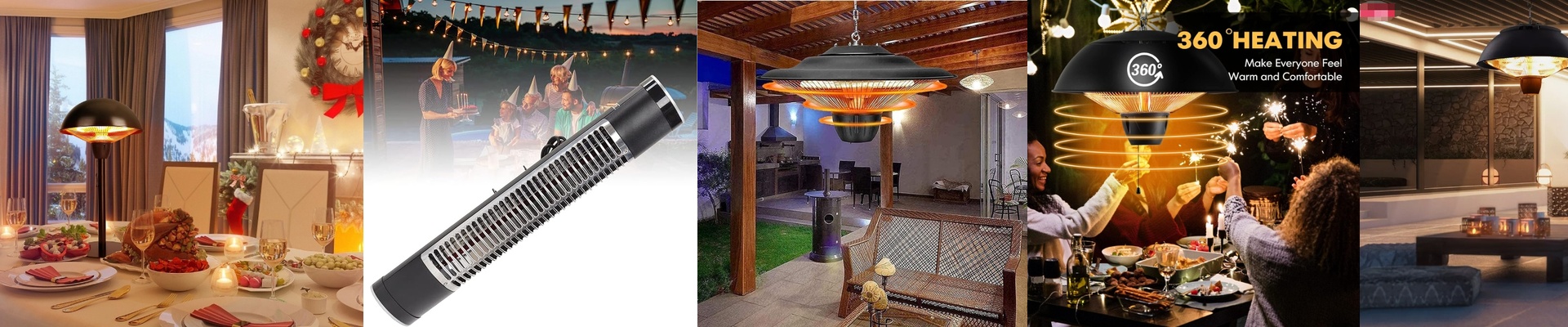
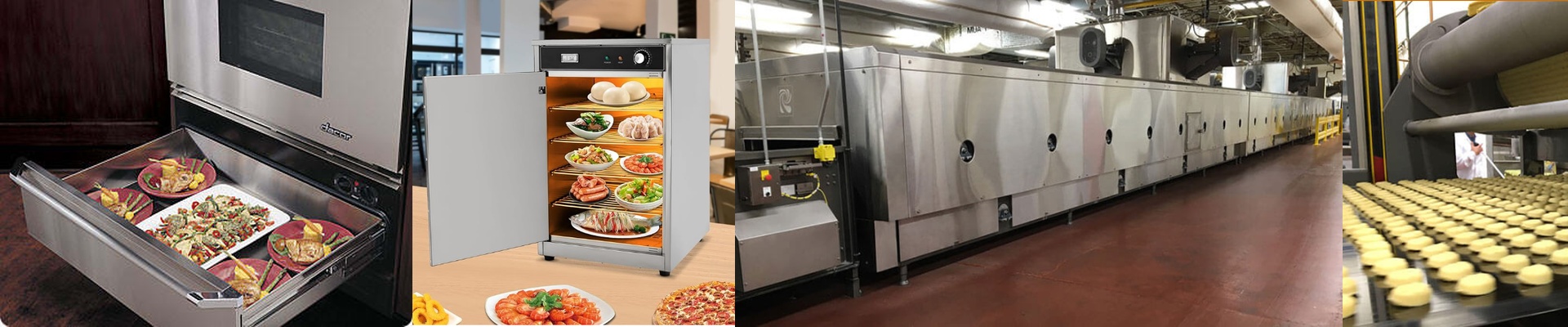
If you’ve ever worked with a steam oven, you know the frustration. You set a temperature, the oven hits it, and then—without warning—it just keeps climbing. It’s called “overshoot.” Your heating elements are basically big sponges for heat; even after you kill the power, they keep dumping that stored energy into the chamber. It’s like trying to stop a freight train with a handheld brake. You can’t just stop on a dime. That’s why we switched to low thermal inertia infrared lamps. Instead of those heavy metal tubes that take forever to cool down, these are made of quartz. They hit full blast in milliseconds. And the second you flip the switch? They stop. Just like that. Why that actually matters It all comes down to how fast the hardware listens to the controller. With a standard heater, there’s this annoying lag. You’re basically guessing where the temperature will land. But with an infrared tube, the radiation stops almost instantly. On a thermal graph, you don’t see those annoying waves anymore. You just get a flat, steady line. We made these tubes thin for a reason. By keeping the quartz envelope slim, there’s less mass to heat up. Less mass means less leftover energy hanging around to ruin your batch. A few things to keep in mind These will work with most industrial steam setups, but don’t cut corners on your power supply. High-wattage tubes are thirsty for current. If your wiring is too thin, you’ll get voltage drops, and your heat output will start acting moody. Also, a heads-up: quartz is fragile. It can’t handle a physical beating, and you definitely don’t want direct water splashes hitting the hot glass. You’ll need to shield them from steam condensation, or the thermal stress will crack the tube. The real takeaway If you’re chasing that +/- 1°C level of precision, heavy heaters just won’t cut it. You’ll spend your whole day fighting the equipment. Low thermal inertia lamps let you tighten everything up. You stop wrestling with the hardware and actually start controlling the process.