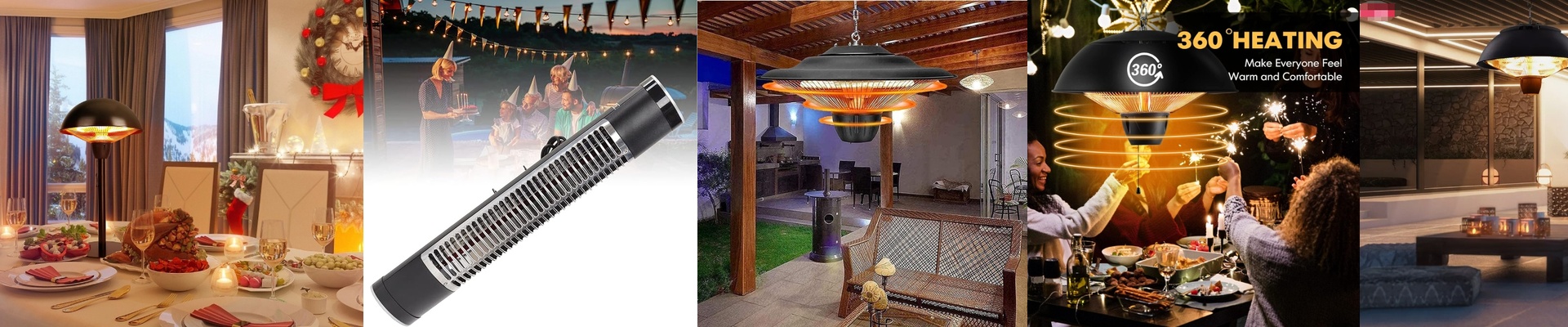
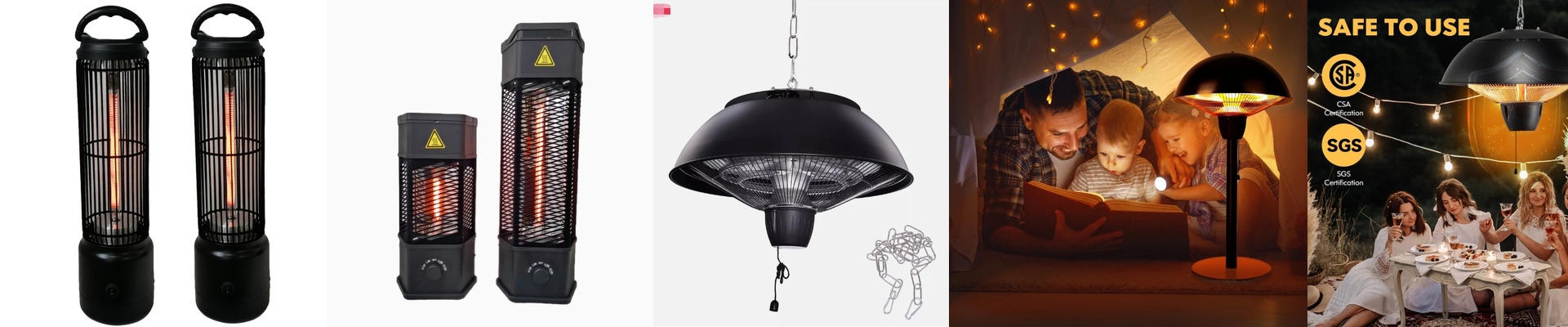
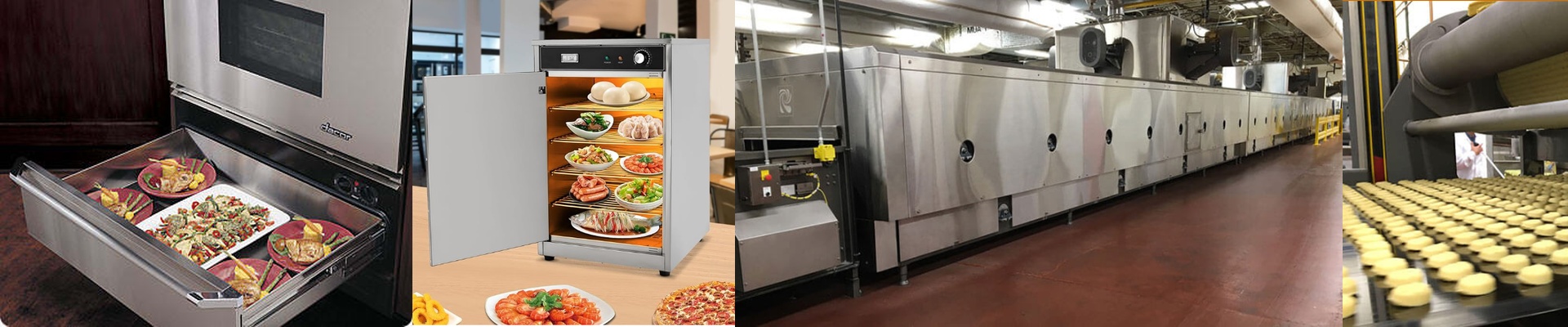
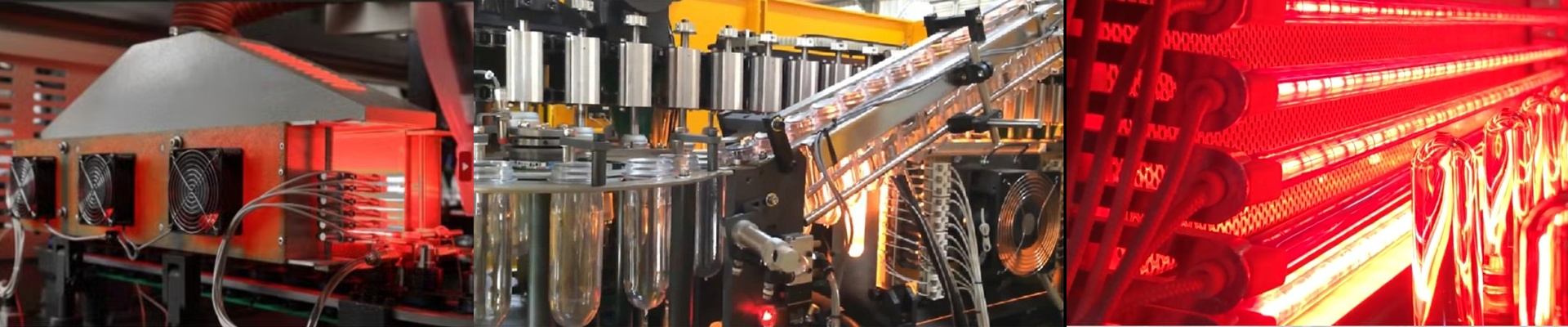
Getting Your Crust Right: The Secret of Halogen IR in Deck Ovens
Most kitchens are ditching those old-school heating elements. Why? Because they’re slow. We’ve been moving toward high-precision infrared halogen lamps instead. If you’re running a heavy-duty deck oven, these lamps are your best friend for that perfect top-brown and a crust that actually snaps. We build these to be simple drop-in replacements, and when you pair them with a smart temperature controller, you can hit your thermal targets exactly. No guessing. No “burnt on the edges, raw in the middle.”
How the Heat Actually Works
Inside the tube, there’s a tungsten filament wrapped in high-purity quartz. Now, here’s the clever part: the halogen cycle. It stops the tungsten from gunking up the glass. This keeps the light clear and means your bulbs don’t just burn out the moment things get intense. For the big ovens, we dial in the wattage and voltage specifically. You need enough heat density to punch through thick dough without accidentally turning the rest of your oven chassis into a radiator.
The Nitty-Gritty on Setup
We usually stick with R7s or SK15 connectors. Why? Because when a lamp goes, you want to swap it out in seconds, not spend an hour wrestling with the hardware. The quartz is tough, too. It handles “thermal shock” like a pro. You can go from room temperature to 2000K almost instantly. It’s fast. Really fast. We can customize the length and voltage to fit your specific rig. Just keep in mind that a longer tube covers more area, but you’ll need a steady voltage drop so you don’t end up with weird hot spots on your bread. Plus, if you’re using a PID controller, the lamp needs to be in sync with the pulsing timing to keep things precise.
A Few Things to Watch Out For
These lamps hit hard and fast, but that intense radiation can be a double-edged sword. Check your reflectors. If they’re dirty or pitted, you’re wasting energy. The IR rays just bounce off in the wrong direction, which forces the lamps to work harder and die sooner. Keep them polished. And for heaven’s sake, make sure you have decent ventilation. You don’t want your electronics literally cooking themselves while you’re baking.