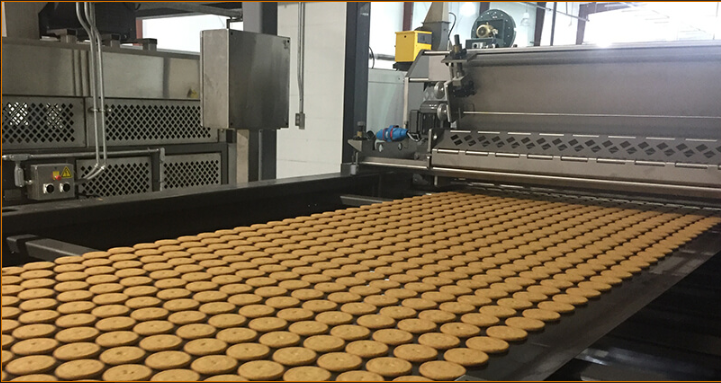
Why We Switched to Infrared for Faster Baking
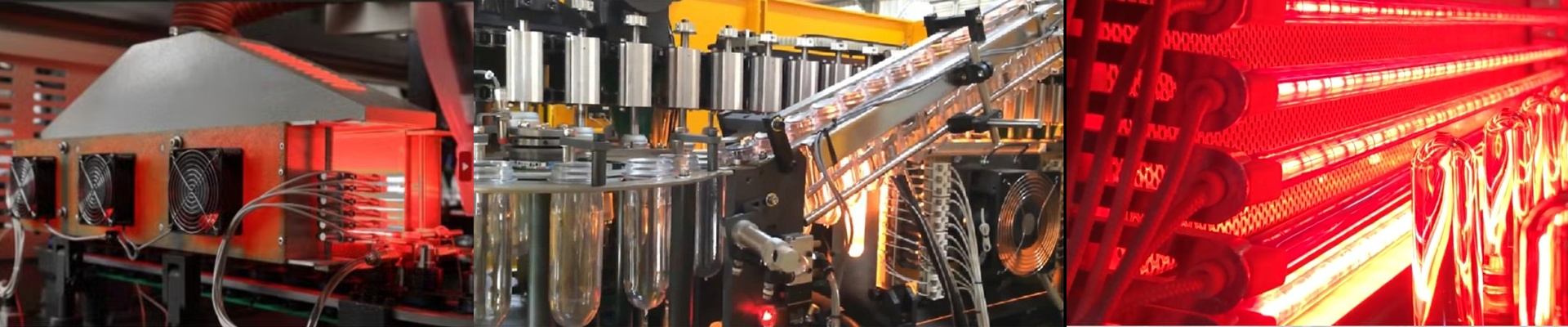
Most convection ovens are a pain because they waste so much time just heating up the air. You turn the dial, you wait, and you wait some more before the heat actually hits the dough. It’s a lag that kills your momentum. We decided to stop fighting the air and started using shortwave infrared (SWIR) bulbs instead. Think of it like the difference between waiting for a room to warm up and just stepping into the sunlight. The heat goes straight into the dough. No waiting. No lag. Just instant results. The magic of “second-level” heat We use bulbs with a tungsten filament tucked inside quartz. The beauty of this setup is that they hit their operating temperature almost the second you flip the switch. You don’t have to spend an hour preheating a giant metal box. The heat is already there, hitting the bread the moment it goes in. It’s a huge relief for your power bill, too, since you aren’t paying to keep an empty oven hot for hours. The nitty-gritty on the build We stick with high-purity quartz glass because it can handle the shock of going from cold to scorching hot without cracking. We also use R7s or SK15 connectors. Why? Because when a tube eventually burns out—and they will—you want to be able to pop a new one in without needing a degree in electrical engineering. Sometimes, we add a gold or aluminum coating to the glass. This basically acts like a mirror, pushing the heat forward toward your food instead of letting it soak into the back of the oven. But a word of warning: these lamps getintense. If you don’t get your wiring and housing exactly right, you’ll end up melting your plastic parts or tripping every breaker in the building. It’s powerful stuff. What this actually means for your shop The best part is the workflow. You stop worrying about massive heat-up cycles and start focusing on the product. You’re heating the bread, not the entire room. For a busy bakery, that means you can push more trays through the door with way less downtime. Just one tip: make sure your sensors are looking at the radiant heat, not just the air temperature. If you don’t, you’ll end up with a burnt crust before you even know the oven is hot.