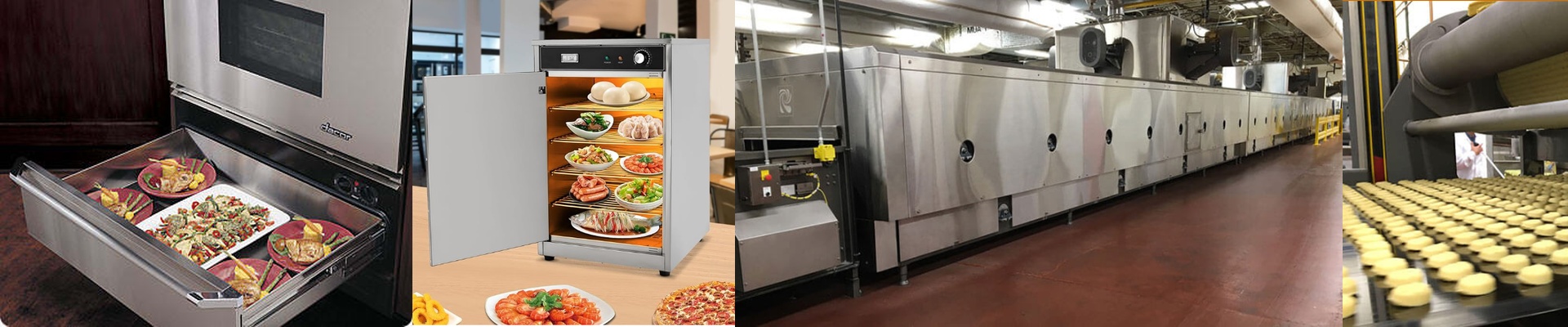
Fixing Those Annoying Cold Spots in Your Convection Oven
Ever feel like your convection oven is playing a guessing game with your parts? You pull a batch out and some areas are perfect, but others are just… cold. It’s frustrating. It leads to a mountain of scrap and a lot of wasted time. The problem is that forced air has its limits. It moves heat around, sure, but it often struggles to get deep into the core of a product or keep the surface temperature steady. That’s why we started putting clear quartz infrared (IR) heaters into these systems. It fills the gaps where the air fails.
Why IR makes a difference
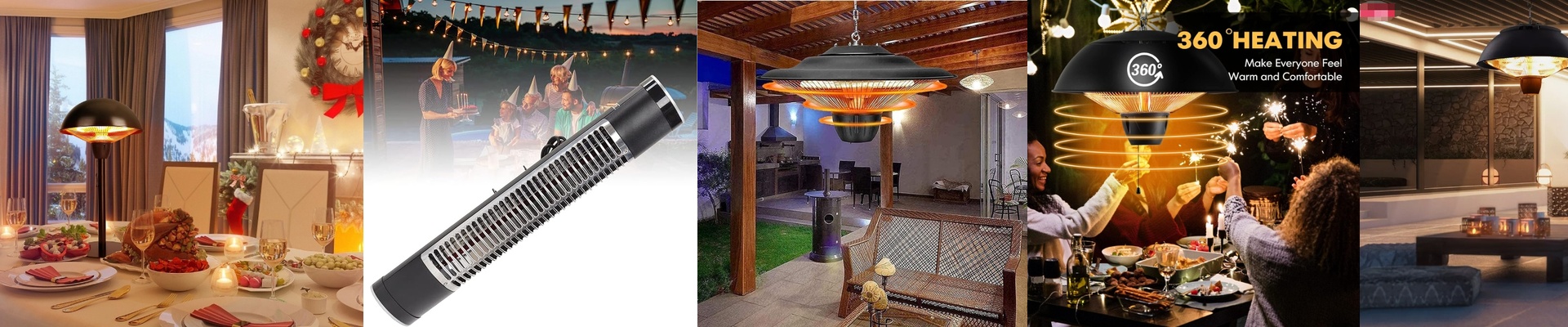
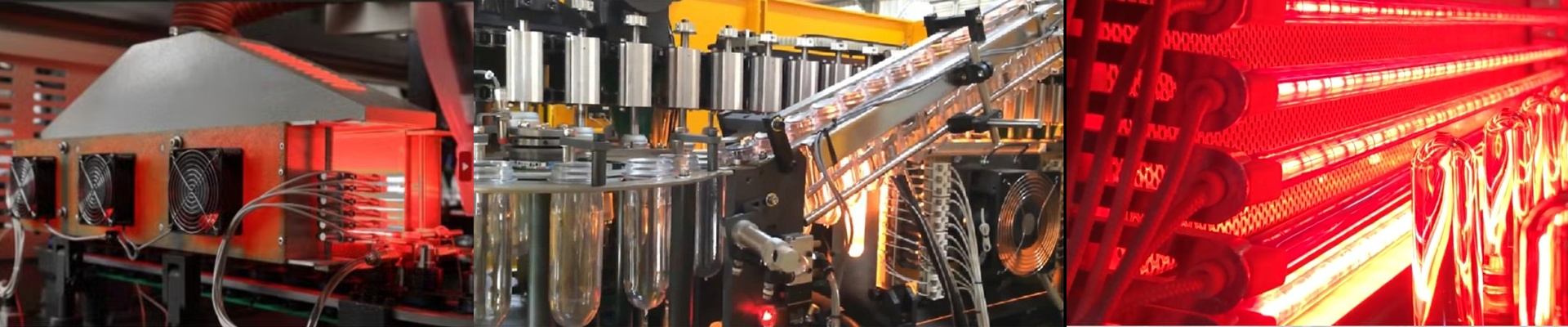
Think of it this way: convection is like a warm breeze. IR is more like standing in the sun. Instead of waiting for the air to get hot and carry that heat to the part, IR sends electromagnetic radiation straight to the workpiece. When you pair the two, you get the best of both worlds. The fans handle the bulk heating, and the quartz lamps take care of the precision surface work. Suddenly, those cold spots just vanish.
The deal with clear quartz
We stick with high-purity clear quartz tubes for a simple reason: they let the heat through. Some tubes have coatings that reflect certain wavelengths, but clear quartz lets short-wave radiation pass right through with almost no loss. It’s efficient. But you have to be smart about the specs. If you ramp up the wattage per millimeter, you get more heat density—which is great—but it puts a lot more stress on your power supply. If you’re chasing extreme temperatures, double-check your wiring and connectors. If they aren’t rated for that current draw, you’re looking at burnt-out terminals. Not a fun way to spend a Tuesday.
Getting the balance right
Getting your temperature balanced isn’t about just cranking the dial to eleven. It’s all about where you put the lamps and how you control them. We’ve found that zoning is the way to go. If you split the oven into independent heating zones, you can punch up the heat in the corners or near the door where you usually lose the most warmth. One quick warning: quartz is fragile. It doesn’t like being shaken or hit. If your fans are vibrating too much, or if the lamps are in the “splash zone” where loading trays might bump them, they’ll break. Make sure your brackets are rock solid and your PID controllers are tuned for the fast response time of IR. Once that’s dialed in, everything just flows.