

Stop Letting Your Oven Slow You Down
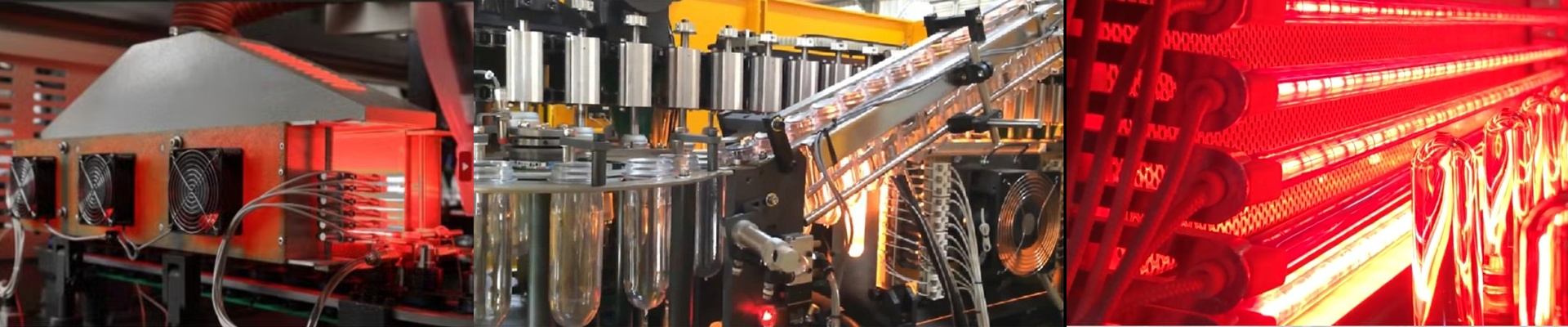
Ever feel like your kitchen or bakery is just hitting a wall? You’ve got the orders, you’ve got the staff, but the oven just can’t keep up. Usually, the culprit is that annoying lag—the time it takes for the oven to heat up or recover after you’ve slid in a new batch. Standard heating elements are just too slow. That’s why we use twin tube infrared elements. They don’t mess around with slow warm-ups; they hit the product with immediate radiant heat. It lets you tighten up your production rhythm and actually move more product through the line without the stress. How the twin tube actually works Think of it like this: we’ve basically doubled the heating surface without taking up any more room. By putting two filaments inside one quartz tube, we get way more power packed into the same space. For anyone baking bread, this is a huge win. The energy hits the dough surface instantly. You get that perfect, golden-brown crust (the caramelization we all want) without accidentally drying out the inside of the loaf. The nuts and bolts We make these out of high-purity quartz glass because commercial bakeries are brutal on equipment. The constant heating and cooling would kill cheaper materials. These filaments are designed for shortwave emission, which is just a fancy way of saying the heat sinks into the food much faster than the hot air from a convection oven. Installation is pretty straightforward—they use standard industrial connectors, so you can get them wired up quickly. One quick tip, though:**keep an eye on your voltage.**If your regulators aren’t dialed in and you get a sudden power spike, you might fry the filaments. Getting the balance right Now, this isn’t some magic wand. High-density heat is powerful, and you have to respect it. Because these tubes are so intense, the distance between the heat and your product matters. If your bread is sitting too close, you’ll end up with a charred crust while the middle is still raw. You’ll want to spend a little time tweaking your conveyor speed and the gap height to match the wattage of the lamps. Once you find that sweet spot, you’ll have the speed you need without ruining your quality.