


Making Your Patio Actually Cozy: Smart Infrared Heating
If you’ve ever tried to heat a backyard with a standard space heater, you know the struggle. You’re basically trying to heat the entire outdoors, and the wind just carries all that warmth away the second it leaves the vent. It’s a waste of money. That’s why we use infrared. Instead of fighting the wind to warm up the air, these heaters send energy directly to you. It feels like standing in a patch of sunlight on a crisp autumn day.
The Gear: Built for the Rain (and the Cold)
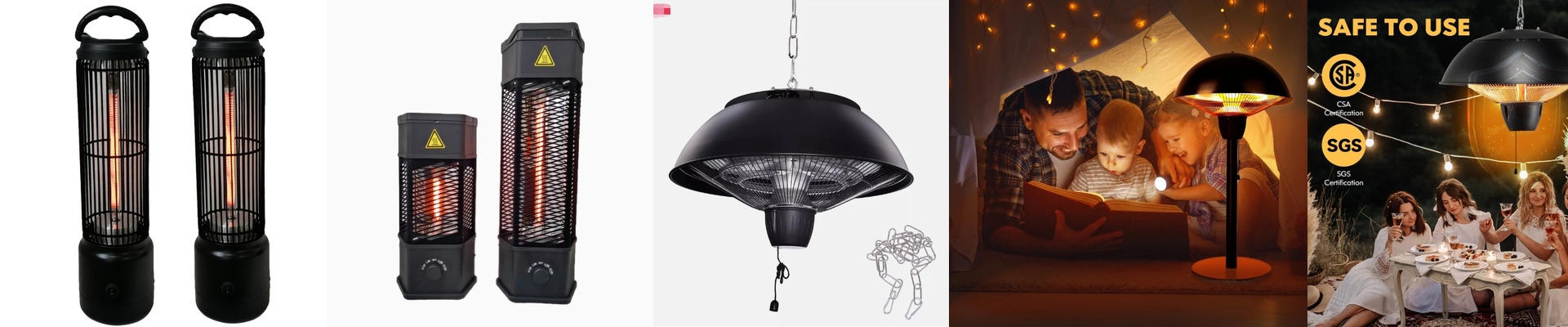
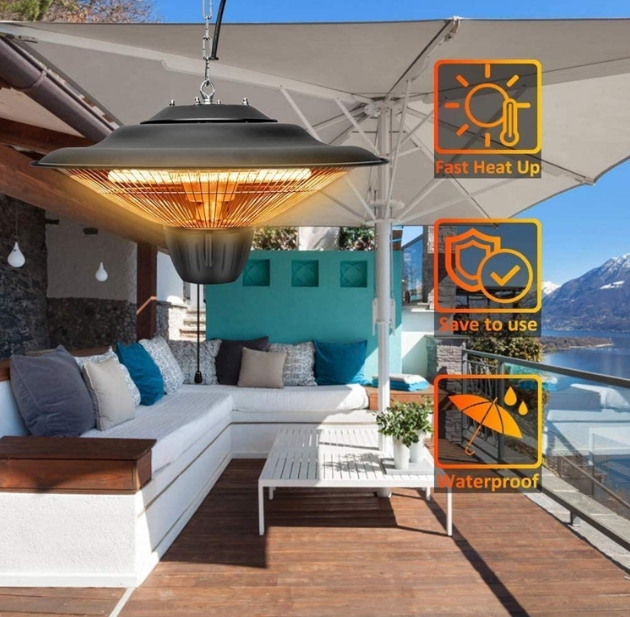
Since these live outside, they can’t be delicate. We wrap the guts of the heater in weather-proof housing so a little rain or humidity doesn’t fry the electronics. Inside, there are these quartz glass tubes. They’re tough, but the real magic is how fast they work. You flip a switch, and boom—you feel the heat in seconds. No waiting around for a coil to slowly warm up while you’re shivering in a coat. It’s instant.
Making it “Smart”
Getting these to play nice with your smart home is pretty straightforward. We usually hook them up to a Zigbee or Wi-Fi relay. Basically, we put a smart switch in the middle that can handle the heavy electrical load these heaters need. Here is how it actually works in real life: You tell your voice assistant, “Make the patio warm,” or tap a button on your phone. The hub pings the relay, the circuit closes, and the lamps glow red. Plus, we love adding motion sensors. There is nothing worse than realizing you left the heaters on all night for a patio full of empty chairs. With a sensor, the heat only kicks in when someone actually walks outside.
A Few Things to Keep in Mind
Now, there’s a catch. These things pull a lot of power. If you try to slap four high-wattage heaters on one single circuit, you’re going to trip your breaker. It’s a headache. To avoid that, you’ll want to spread the load across a few different circuits or use thicker wiring that can handle the amp draw. And a word of caution: those glass tubes getstinging hot. If you touch one, you’re going to have a bad time. That’s why we always install guards—just a simple physical barrier to keep people from getting too close to the elements.