
How to Actually Size Your Bathroom Heating Lamps
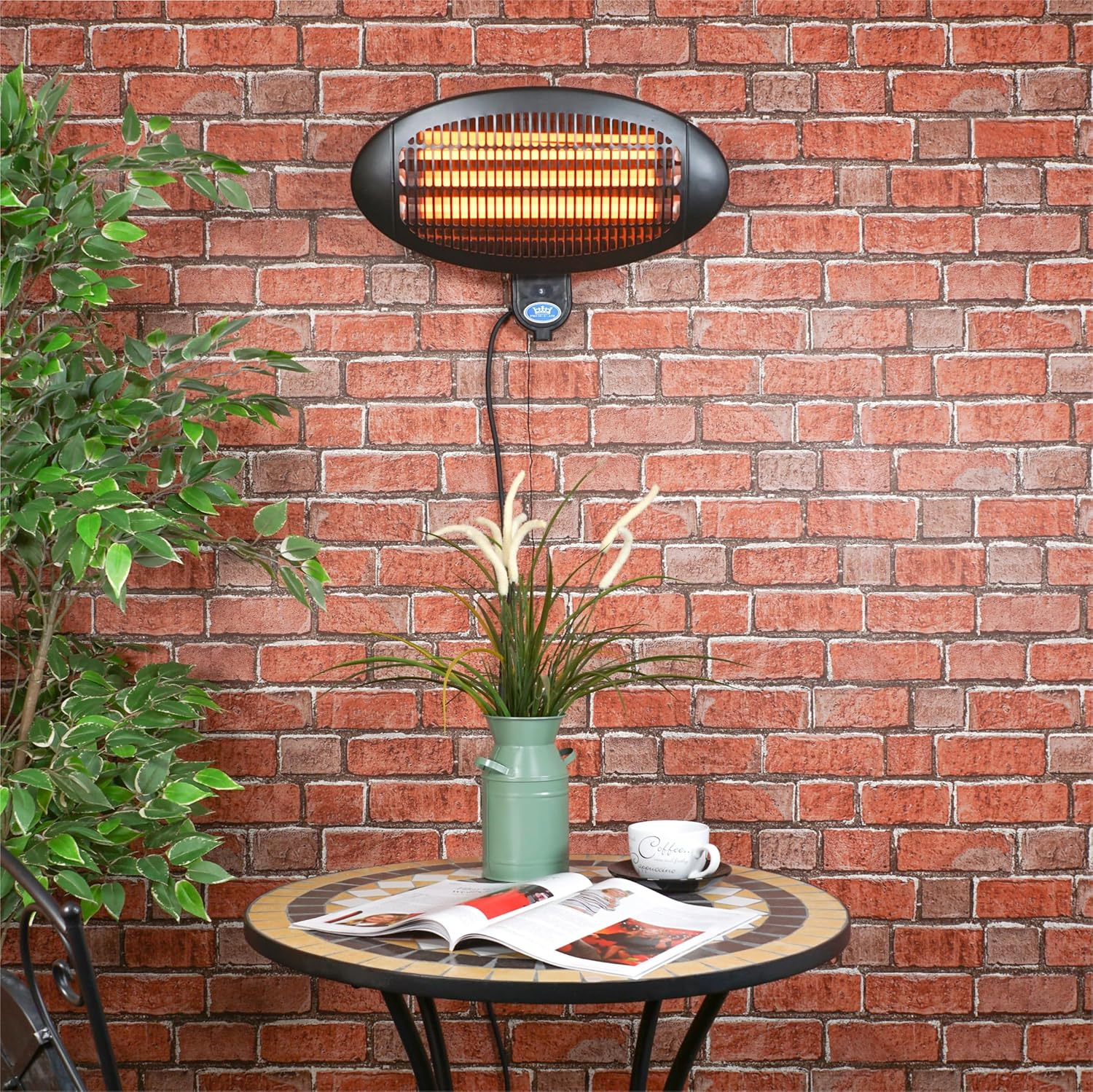
Nobody likes that shivering feeling when you step out of a hot shower into a freezing bathroom. But here’s the thing: if you just grab the biggest heater you can find, you’re going to end up wasting money or, worse, feeling like you’re standing under a heat lamp at a buffet. We stick with shortwave infrared lamps for bathrooms. Why? Because they don’t bother trying to heat the air—which is basically impossible in a damp room. Instead, they heat you and the surfaces around you. It’s instant warmth.
Getting the Power Right
You’ve got to match the wattage to your actual space. If you’re dealing with a tiny powder room (under 4m²), a 400W to 600W lamp is plenty. If you go overkill here, you’ll just bake the room and burn out the heating element way faster than it should. For those mid-sized bathrooms (5-10m²), look at 800W to 1200W. If you’ve got a massive master bath with an open layout, you’ll either need a 1500W beast or a few smaller units spread out. Trust me, you don’t want “cold spots” where you’re warm by the sink but freezing by the toilet. Just be careful not to overdo it. Too much power can trip your breakers or overheat your ceiling fixtures. On the flip side, if the lamp is too weak, it has to run constantly, which wears out the quartz tube.
A Few Installation Realities
Most of our units use R7s or Sk15 connectors. We do this so you can just pop a new one in without a headache. We always suggest shortwave quartz tubes because they hit their peak temperature in seconds. No waiting around. But here is a pro tip: high wattage creates a very intense “hot zone.” If you mount a 1200W lamp too low, it’s going to feel like a sunburn. You have to balance the power with the height of your ceiling. The higher the lamp, the higher the wattage you can get away with without scorching whoever is standing below.
Saving on the Power Bill
Since these lamps don’t need time to “warm up,” there’s no reason to leave them running. The smartest move is to hook them up to a timer or a motion sensor. A smart switch works great here too. It ensures the lamp only draws power when someone is actually in the room, so you aren’t accidentally paying to heat an empty bathroom all day.