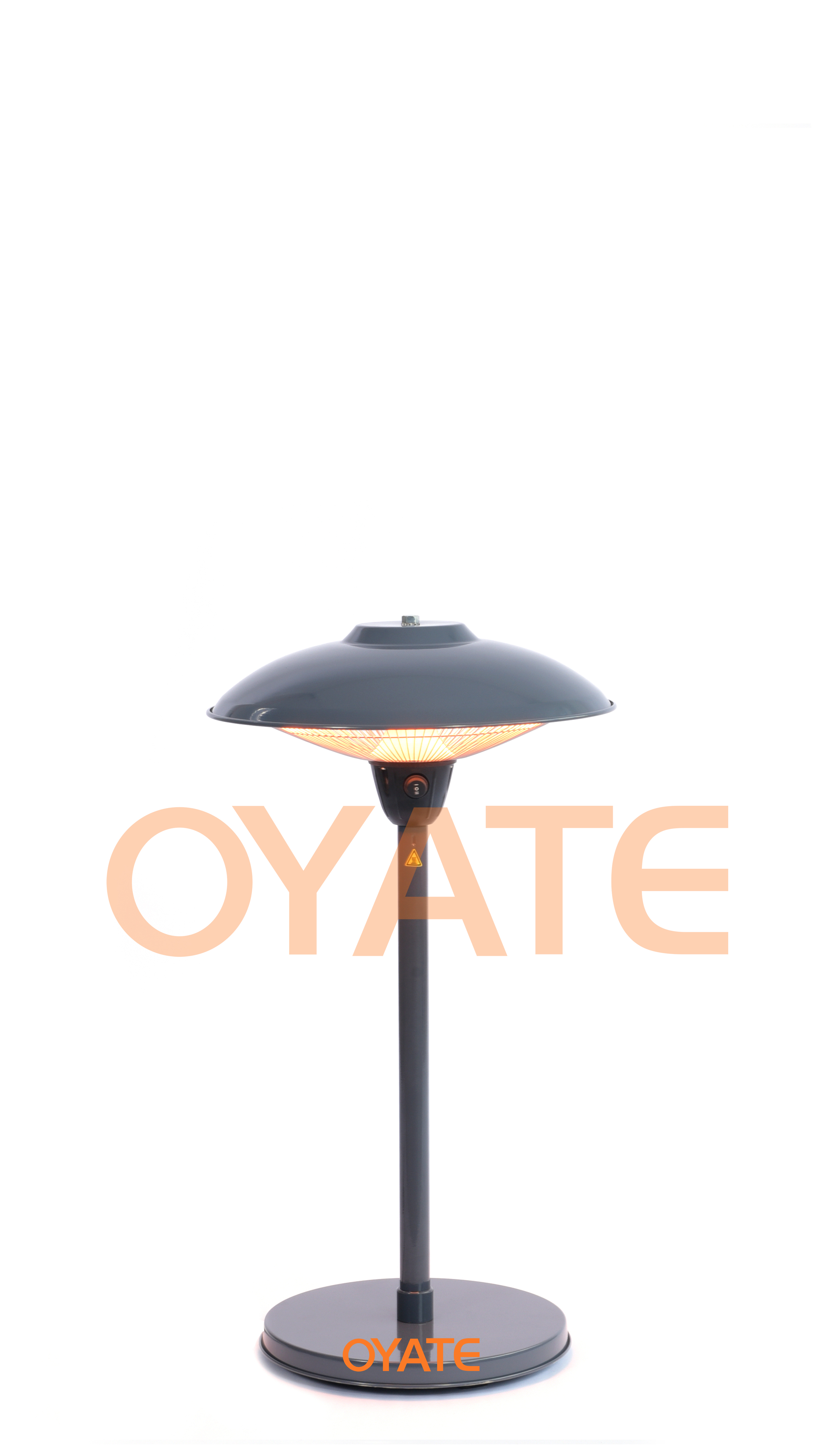
Why you actually need explosion-proof quartz glass in your bathroom heater
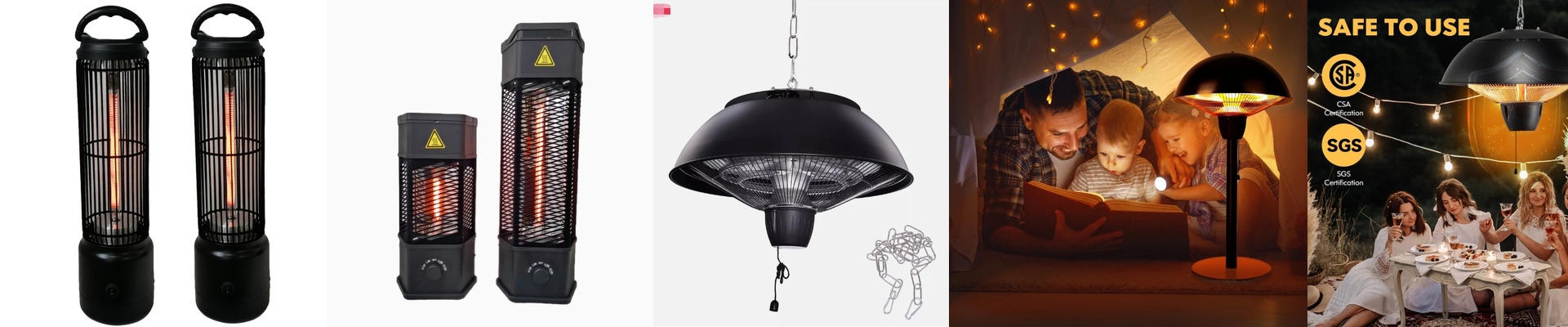
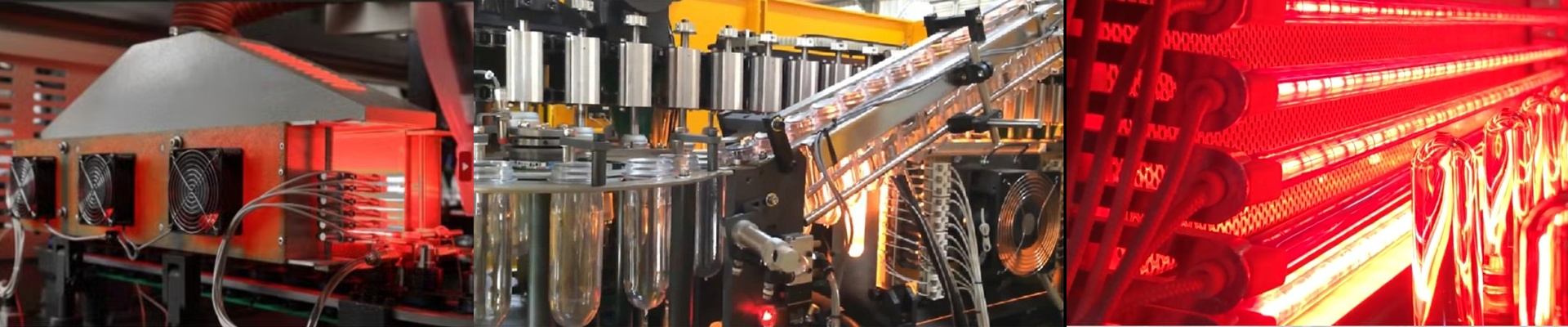
If you’ve ever used one of those high-ceiling bathroom heaters, you know the feeling. You flip a switch and—boom—instant heat. No waiting around for a room to warm up. That magic happens because of shortwave infrared lamps, and the real hero here is the quartz tube holding everything together. But bathrooms are tricky. They’re wet. They’re steamy. And that’s where things can go wrong. Imagine a lamp glowing at 1000°C. Now imagine a single, cold drop of water landing right on it. That massive temperature jump creates a shock that would make regular glass just give up and crack. That’s why we use explosion-proof quartz. It’s built to handle those wild swings in temperature without snapping. It just takes the hit and keeps on glowing. Here’s the thing: that tube is doing more than just looking pretty. It keeps a specific halogen gas trapped inside, which stops the tungsten filament from burning out. If the glass cracks, oxygen rushes in. The filament oxidizes, pops, and the whole thing dies instantly. Worse yet, you’ve now got glass shards and electrical sparks in a room full of humidity. Not exactly the vibe you want while taking a shower. Using this specific glass stops that whole nightmare from happening. But a quick heads-up on the install. These things runhot. If you squeeze them into a housing that’s too tight or doesn’t have enough airflow, you’re basically baking your own wiring insulation. Definitely double-check your heat dissipation before you start wiring things up. And just to be clear—“explosion-proof” doesn’t mean you can hit it with a hammer. It’s designed for thermal shock, not physical impact. A hard knock will still break it. Keep them mounted at the recommended height. It keeps the bulbs safe from accidental bumps and ensures that cozy heat actually reaches the floor where you’re standing.