

Making 1500W Heaters That Actually Last
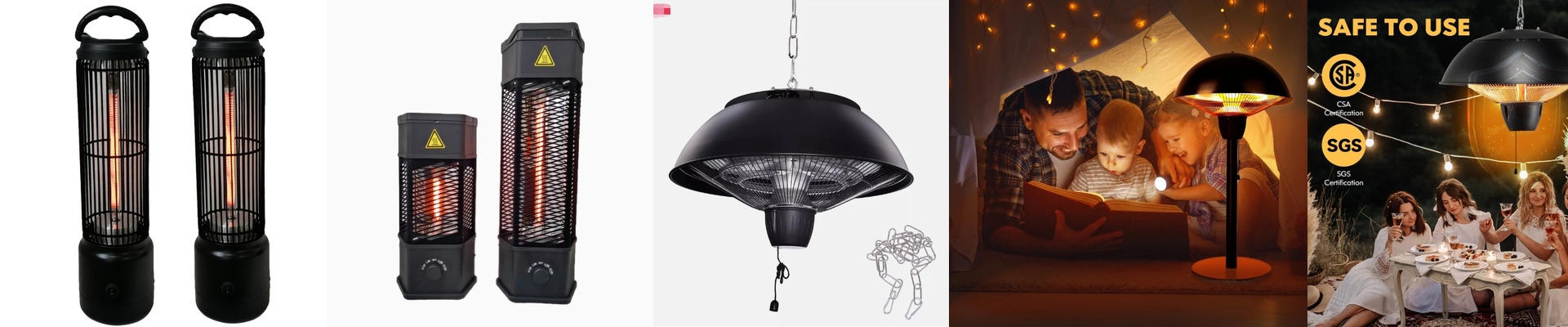
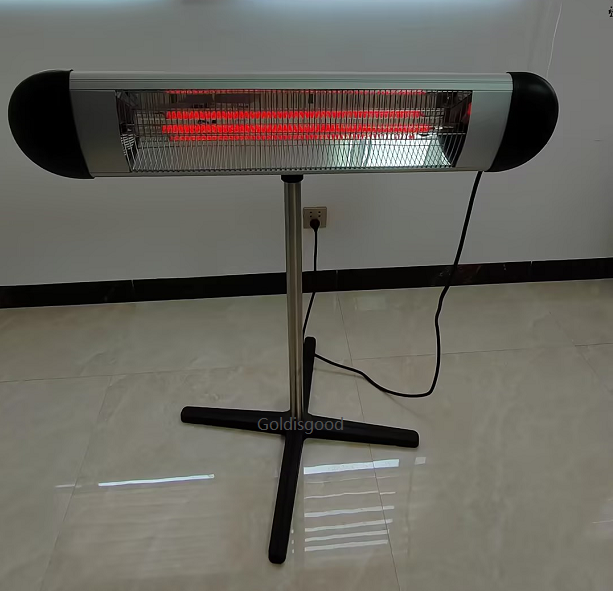
When you’re putting a ceiling heater in a gazebo or a bathroom, you’re basically asking it to survive a war zone. Between the rain blowing in and the thick steam from a hot shower, the hardware takes a real beating. Most of the time, it’s not even the heating element that gives out. It’s the boring stuff—the housing and the electrical connections. They just rust away. The trick to the heat We go with 1500W because you need that kind of punch to actually feel the warmth in an open space. We use short-wave infrared, which means the heat hits you instantly. It doesn’t waste time trying to warm up the air; it just goes straight to the target. But there’s a catch. The reflector has to be spot on. If it’s off by even a couple of millimeters, the heat doesn’t “throw” correctly. Instead of warming you up, the unit just wastes energy heating your ceiling. Breaking things on purpose To make sure these don’t die on you, we put every batch through some pretty brutal tests. We don’t just spray them with a hose and call it a day. We cycle them through wild swings of humidity and temperature to try and force them to break. We’re looking for leaking seals, cracking solder, or any sign of rust on the terminals. If a unit can’t handle 500 hours of thick, saturated steam without the voltage dropping, it stays on the factory floor. Simple as that. A few things to keep in mind Here’s the thing: cramming that much power into a small ceiling unit makes the inside get hot. Really hot. You’ve got to be careful about what you mount it to. If you use thin wood or cheap plastic, that “heat soak” can actually warp the mounting bracket over time. We use reinforced alloys to stop that from happening, but you still need to make sure there’s enough breathing room for airflow. At the end of the day, we just focus on the grit. We make sure the wiring stays tight and the heat stays on, no matter how damp it gets outside.