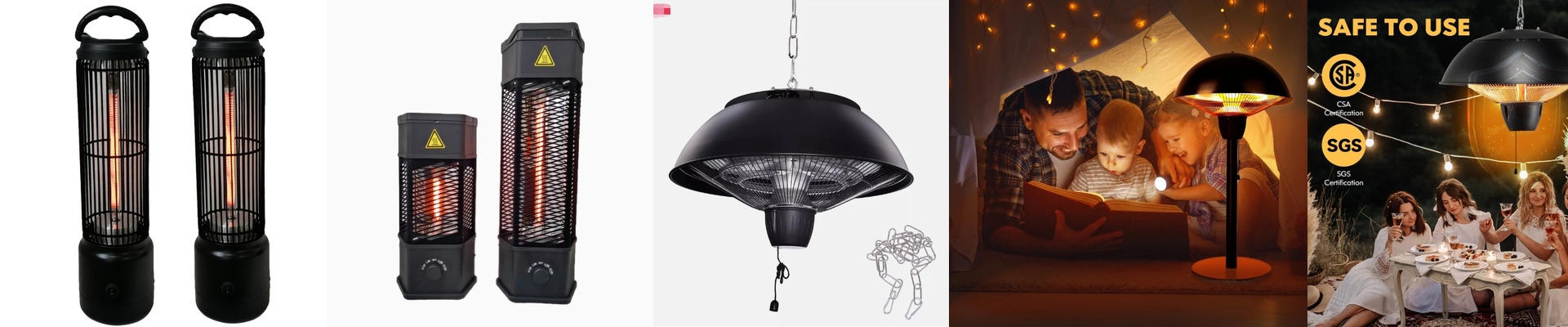

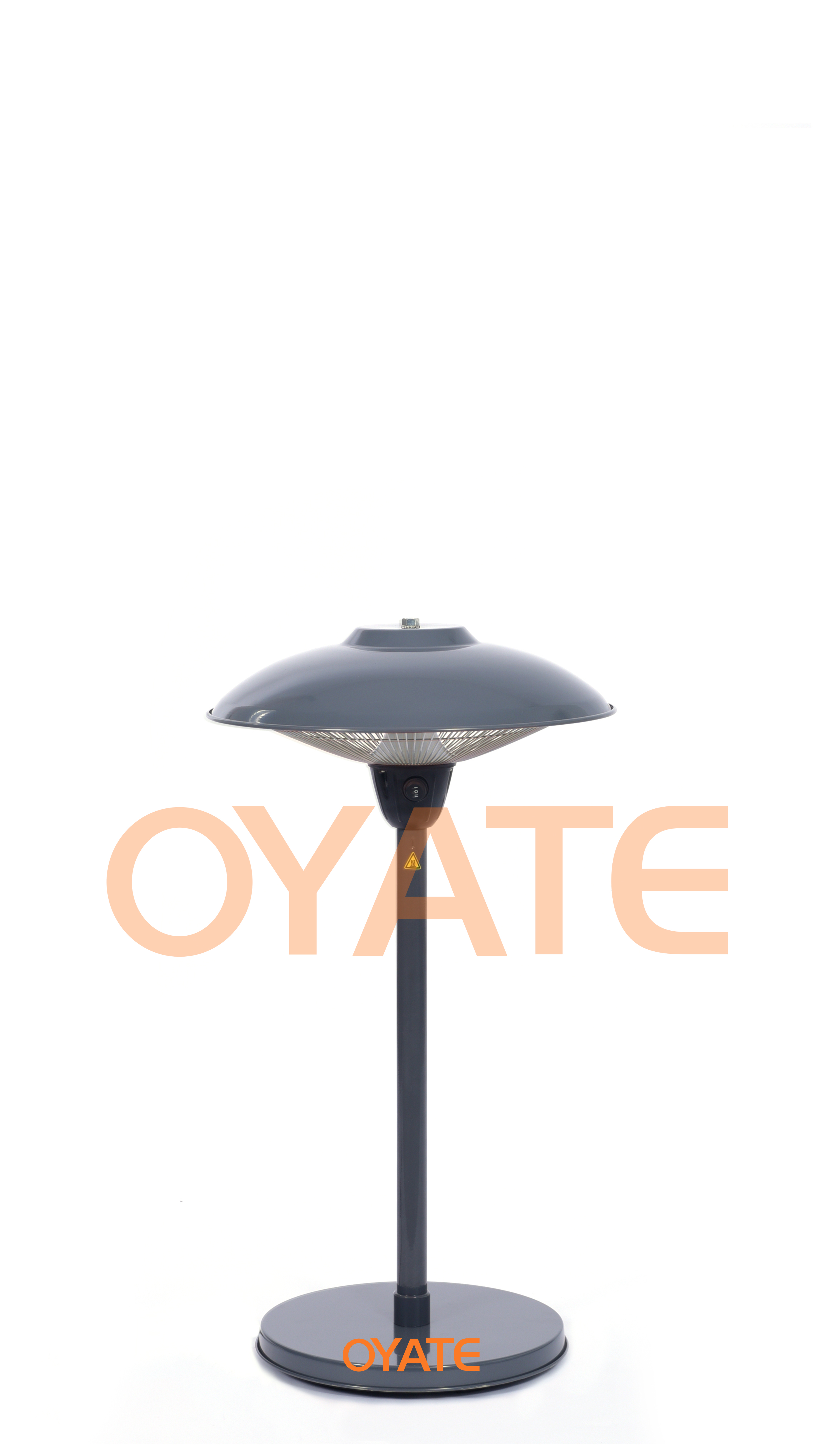
Commercial building owners know winter isn’t just about comfort complaints. It’s about energy spikes and the pressure to hit sustainability targets. When a lobby feels drafty or a meeting room sits empty because it’s cold, you’re losing usable space and burning power for nothing. A high-efficiency infrared mini space heater goes right at those problem spots, warming people and targeted surfaces instead of trying to heat the entire volume of air.
What matters, technically
Infrared delivers radiant heat, so it travels outward fast and you feel it the moment the element fires up. Many compact models use a carbon fiber element or a quartz tube, paired with a reflector to focus the output. In practice, that means you can size the unit for the zone—typically drawing between 300 W and 1,500 W—so you’re not overloading the circuit or paying to heat air that just escapes through doors and vents. Add a thermostat and you’re controlling comfort by holding a steady temperature instead of cycling full blast. For safety, look for tip-over protection and an IP rating that fits the environment—handy in covered outdoor entries or drafty atriums.
Why it fits commercial real estate
Every kilowatt-hour saved chips away at overall energy intensity, which supports ESG reporting and can improve building ratings. Because infrared mini space heaters warm occupants directly, you can often run the main HVAC at a lower temperature and let the heaters handle localized comfort. The payoff is fewer temperature complaints, more productive use of underused rooms, and lower operating costs. Over time, that efficiency makes the asset more attractive: lower energy risk, stronger tenant satisfaction, and a building that’s easier to lease.
The things you need to know
Infrared heaters are zone solutions, not whole-building replacements. They shine when you place them where cold spots show up—near entrances, under high ceilings, or in rooms with large glazing. For reliable performance, confirm the circuit capacity and plug type, and make sure the unit’s IP rating matches the exposure to moisture and drafts. In very windy locations, even a protected heater can lose punch, so positioning and shelter matter.