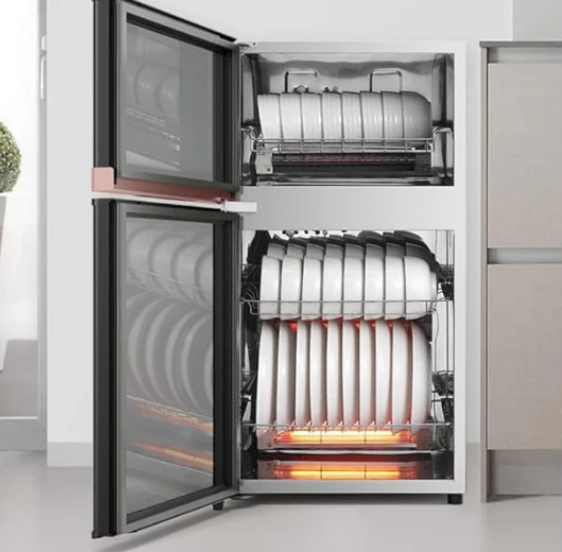
Fixing the Temperature Gap in Steam Ovens
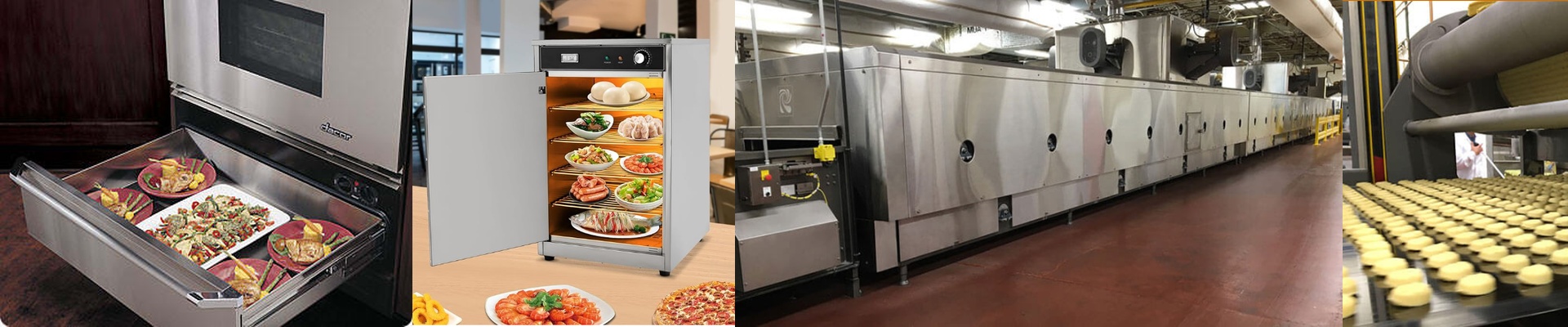
If you’ve ever worked with multi-layer ovens, you know the struggle. You get these annoying hot spots and cold zones that just won’t go away. It happens because convection can’t always win the fight against gravity and shifting steam. It’s frustrating. We found a way around this by using gold-coated infrared (IR) heating elements. Basically, it lets us treat each zone like its own little oven.
Why the gold coating actually matters
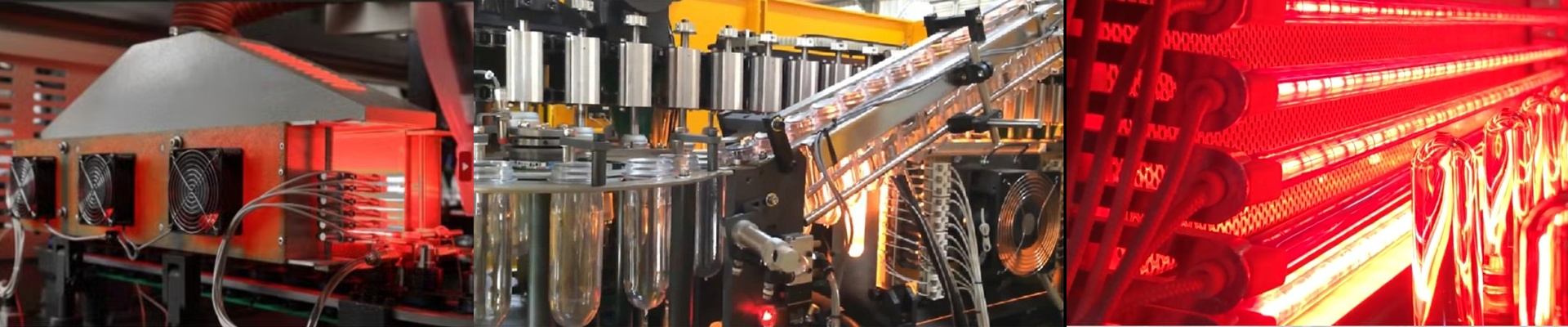
Most quartz lamps just throw heat everywhere. But when you add a thin layer of gold to the quartz, everything changes. The gold reflects the longer-wave radiation back into the filament. This cranks up the internal heat and pushes out a tight, intense beam of short-wave energy. The best part? You aren’t just heating up the air in the cavity and hoping for the best. You’re hitting the target surface directly. It’s fast. Really fast. And you don’t have to sit around waiting for the air to circulate.
Dialing in the control
To make this work for every layer, you’ve got to get your wattage and voltage right so they play nice with your PID controllers. Once these are wired into a multi-zone system, each lamp does its own thing. You can blast the top layer to make up for the rising steam while keeping the bottom layers steady. No more guessing games with your temperature profiles.
The reality check (and the trade-offs)
Now, these gold tubes put out a massive amount of heat. Which means they gethot. You can’t just slap them in and walk away. You need solid thermal shielding in your chassis. If you cram them into a tight space without enough airflow around the ends, you’re going to melt your connectors or warp your brackets. Trust me on this. They aren’t “set and forget” parts. You have to be precise with where you place them, or you’ll overshoot your target temp and scorch the product. Stick to the recommended focal distance. That’s the only way to keep the heat flat and even across the whole tray.