

Stop Fighting Cold Spots in Your Pizza Oven
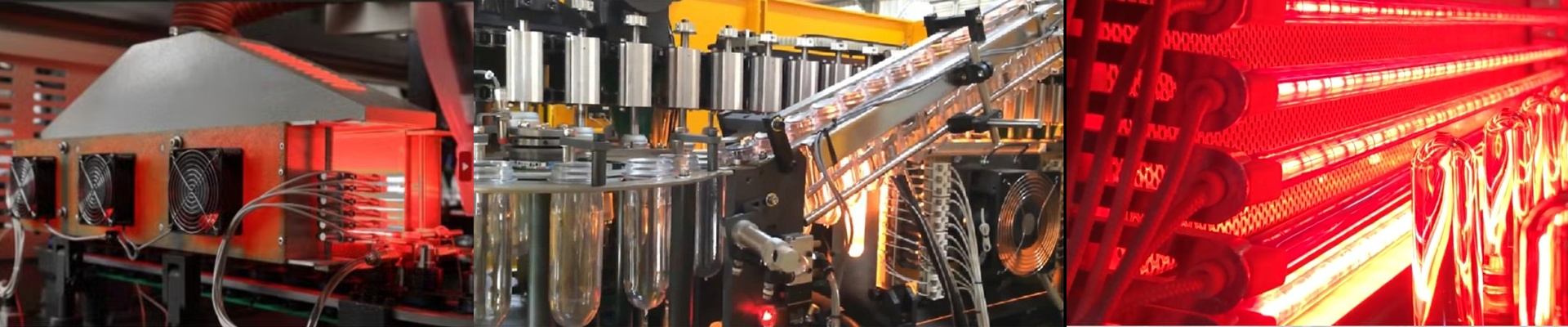
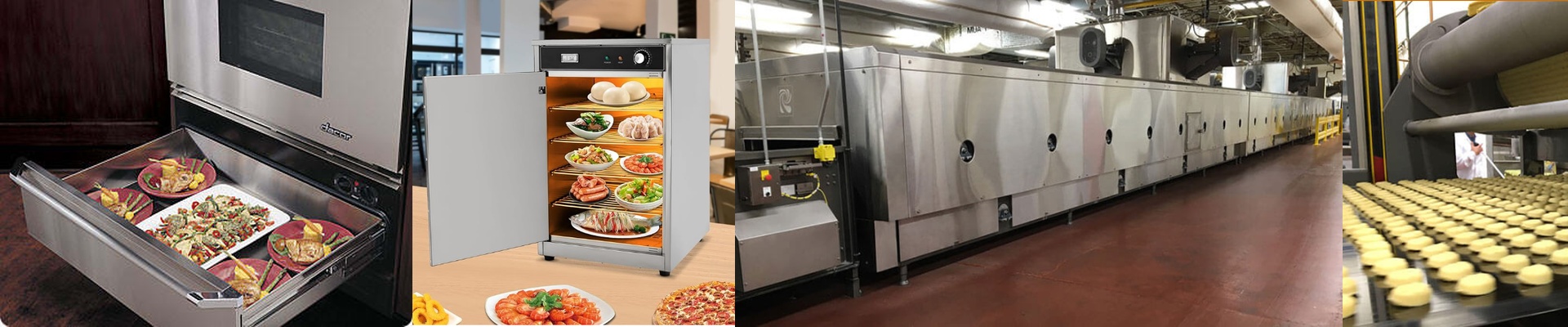
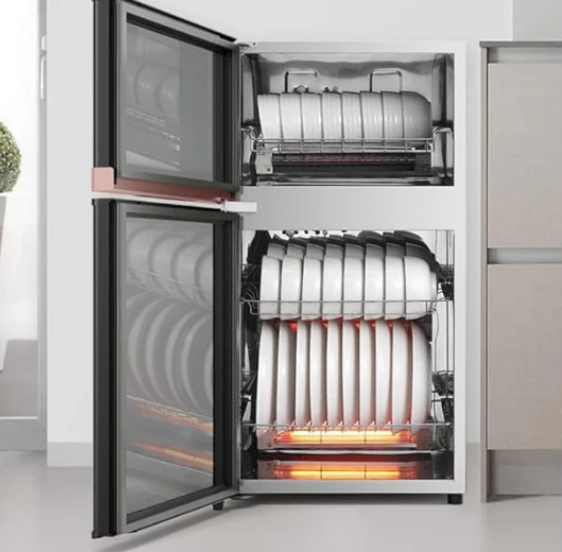
There is nothing more frustrating than pulling a pizza out of the oven only to find one side is perfectly charred and the other is… well, kind of pale. It happens. You end up tossing out dough or apologizing to customers because your oven has “moods.” Usually, this happens because your standard heating elements are wearing out or just aren’t cutting it, leaving you with those annoying hot and cold zones. If you’re tired of rotating pizzas every thirty seconds just to get an even bake, switching to infrared (IR) replacement elements is the way to go. Why IR actually works Most ovens try to move hot air around to cook the food. But in a busy kitchen, air circulation is fickle. It fails. Infrared is different. It doesn’t care about the air. It sends energy straight into the dough. Think of it like the sun hitting your skin on a summer day—it’s direct. This means every single inch of that crust gets the same amount of heat, no matter where you slide the pie onto the stone. The gear inside We use high-purity quartz tubes with a halogen-filled core. Why? Because they’re fast. Really fast. You won’t be standing around for twenty minutes waiting for the oven to “soak” or get up to temperature. These things hit peak heat almost the second you flip the switch. We also pay a lot of attention to the connectors (usually R7s or SK15). If a connection is loose, it arcs, sparks, and eventually burns out your socket. Not a good time. Plus, we use heavy-gauge filaments so the elements don’t sag when things get hot and heavy. Getting them installed (and a few warnings) The best part is that these are basically drop-in replacements. You pull out the burnt-out tube, pop the new one in, wire it up, and you’re back in business. But here is the thing: high-density IR elements pull a lot of power. If you decide to go with a higher wattage tube to push out more pizzas per hour, please—for the love of your equipment—check your wiring gauge. If you overload the circuit, you’re going to trip breakers or, worse, melt your insulation. Also, make sure your oven has plenty of breathing room. These elements put out a lot of heat, and the chassis needs to vent so it doesn’t overheat.