

Getting Your Sidel Matrix Lamps Right
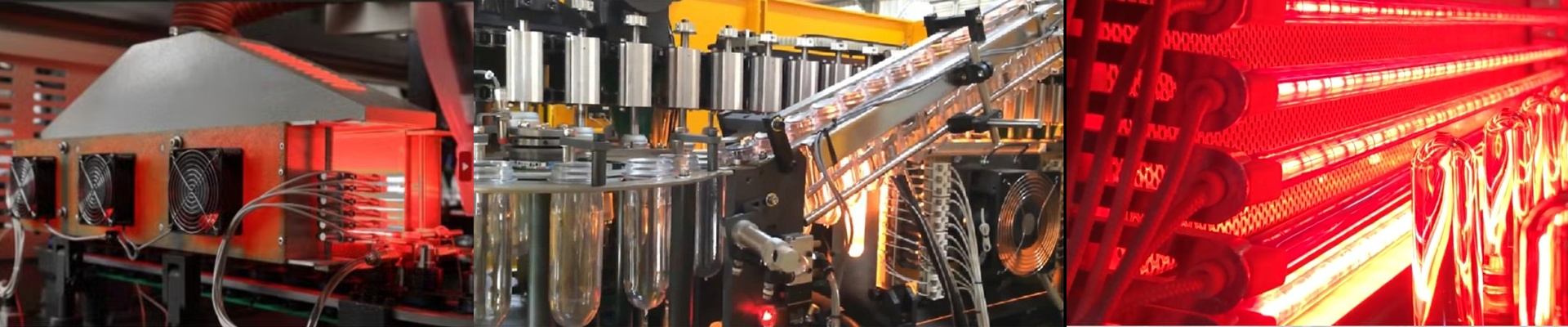
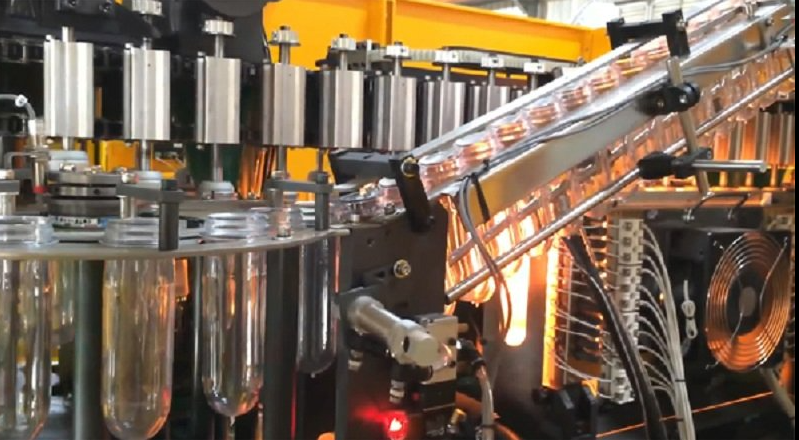
Here is the problem with swapping out OEM lamps in a Sidel Matrix: if the temperature curve shifts even a little, you’re in trouble. A tiny tweak in wattage or spectral output can lead to uneven preheating. Before you know it, you’re looking at pearlescence or thin spots in your PET bottles. It’s a headache nobody needs. That’s why we built our replacement lamps to act like a mirror image of the original thermal footprint. They just fit. No guessing games We don’t do “close enough.” To keep your heating curve steady, we match the voltage and wattage exactly to the OEM specs. Why? Because even a small percentage difference in voltage changes how the infrared heat hits the plastic. We calibrate the filaments so the heat density per centimeter is identical to the factory part. The best part? You don’t have to spend your afternoon rewriting oven recipes or messing with conveyor speeds. You plug them in, and they work. The gear inside We use high-purity quartz glass because these lamps take a beating with rapid thermal cycling. To stop the filament from evaporating and clouding the glass—that “darkening” effect that kills your heat output over time—we use a halogen cycle. We also made sure the connectors are a tight, snug fit. No loose ends, no arcing at the terminals. Just a solid connection. How it works in the shop These lamps push out the short-wave radiation needed to soak into PET walls fast. Since the parameters are a 1:1 match, your PID controllers won’t even notice the difference. They’ll behave exactly like they did on day one. But here is a quick tip: the best lamp in the world can’t fix dirty mirrors. If your reflectors are covered in dust or carbon buildup, the heat isn’t hitting the preform. While you’re swapping the lamps, take a second to wipe those mirrors down. It makes all the difference.