
Keeping the Heat, Losing the Glare: Making Bathroom Heaters Safe for Eyes
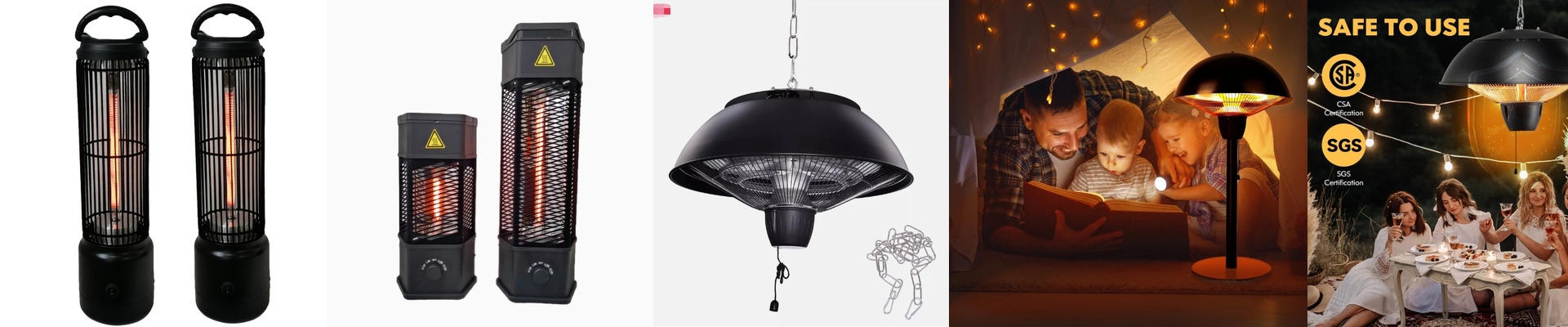
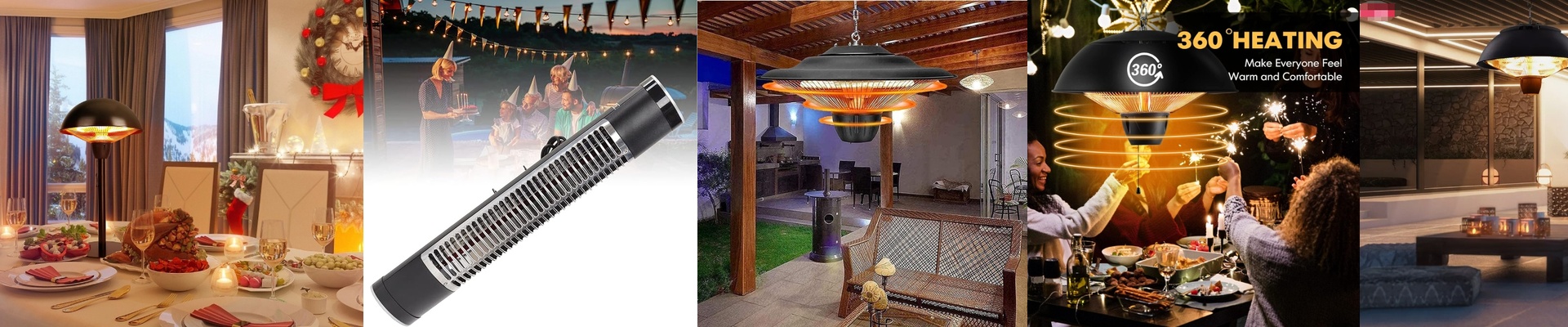
Building a bathroom heater isn’t just about cranking up the wattage. It’s a bit more nuanced than that. Especially when you’ve got babies or toddlers in the house, you have to think about what’s actually coming out of that lamp. Standard short-wave infrared lamps can be brutal. They produce this intense, blinding glare and high-energy photons that can really stress out the retina. Nobody wants a heater that feels like staring into a spotlight. The trick is in the spectrum. To keep eyes safe, we use a special quartz coating or a filtered halogen filament. Basically, we block out that harsh visible light and tone down the high-energy radiation. By shifting the heat toward the medium-wave spectrum, the heater warms up your skin without that aggressive “white light” effect. You still get all the warmth you need to fight off the bathroom chill, but the light stays soft. It’s much easier on the eyes. The guts of the machine We don’t cut corners on the materials. We use high-purity quartz glass so the coating doesn’t peel or flake off when the heater kicks on and off. Then there are the reflectors. We polish them into a specific parabolic shape to push the infrared energy straight down. That way, the heat stays where it belongs—on you—instead of baking your ceiling fixtures. The honest trade-off Now, here’s the thing: filtering the light isn’t free. When you block those visible bands, you lose a tiny bit of efficiency. It’s a trade-off we’re happy to make for safety, but it means you might need a slightly higher wattage to get the same “oomph” as a cheap, unfiltered lamp. If you go too low on the power, the room just won’t warm up fast enough. We always suggest balancing the wattage with the actual size of your bathroom. You want that soft, safe light, but you definitely don’t want a cold shower.