
Why Your Bathroom Heater Keeps Dying (and How to Actually Fix It)
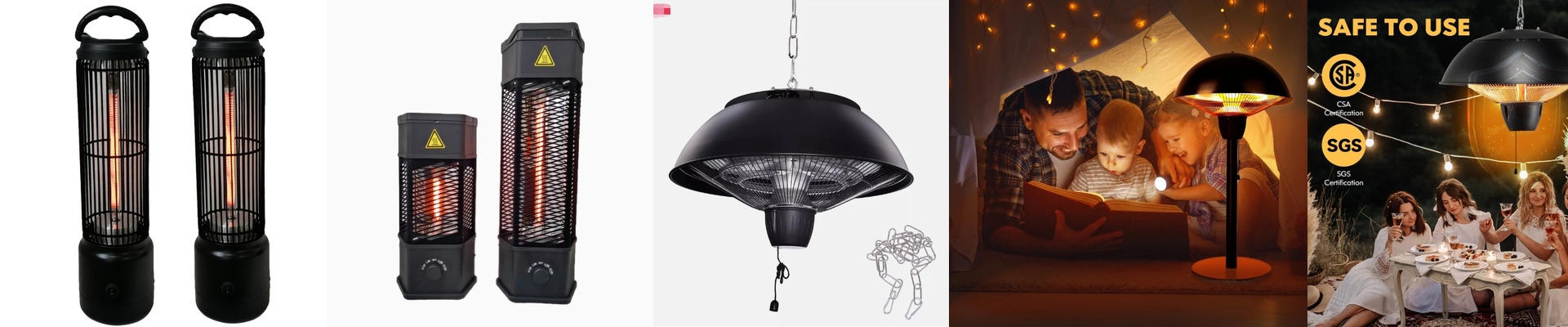
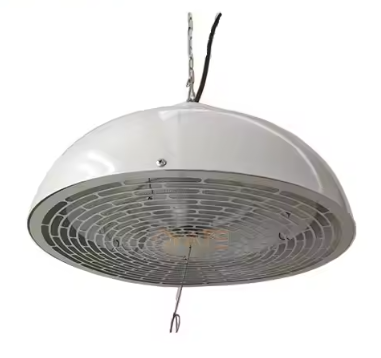
Ever wonder why those old-school bathroom heat lamps always seem to burn out right when you need them most? It’s pretty simple: bathrooms are wet. Between the shower steam and the splashes, moisture finds its way into those basic fixtures. Once that happens, you get short circuits, corroded parts, and a dead bulb. It’s a frustrating cycle. That’s why a lot of people are switching over toIP65-rated infrared heaters. Now, “IP65” sounds like a boring technical code, but here is what it actually means for you: the thing is sealed tight. It keeps the dust out and stops water jets from getting inside. More importantly, it stops steam from condensing on the electronics. Instead of your heater fighting a losing battle against humidity, the internals stay bone-dry. It just lasts longer. Period. But the real magic is in how it actually feels. Old lamp warmers try to heat the air. The problem? Air is terrible at holding onto heat. You basically have to stand directly under the lamp to feel anything, and even then, it takes forever to warm up the room. Infrared is different. It doesn’t mess around with the air; it sends heat straight to your skin or the floor. It’s like stepping into a beam of sunlight on a cold day. You feel the warmthimmediately. If you’re thinking about swapping yours out, it’s usually a pretty straightforward drop-in replacement. You use the existing wiring, but do me a favor—check your amperage first. These infrared arrays pull more power than a lonely little light bulb. If your wiring is too thin, you’re going to trip your breaker the second you flip the switch. Not a great way to start your morning. One last tip: placement is everything. Since infrared heat travels in a specific direction, you can’t just slap it anywhere. If you mount it too high, the heat dissipates before it ever reaches you. You’ll want to check the beam angle of the emitter and mount it at a height where the warmth actually hits you where you want it.