Why Your Pizza Oven Needs Proper Quartz Tubes
Ever notice how one pizza comes out perfect, and the next one is just a bit… off? Maybe the crust is too pale, or the texture feels a little chewy instead of crisp. It usually comes down to a tiny temperature swing. Even a single degree can mess with how the dough browns and how the inside sets. That’s why we rely on high-purity quartz tubes. They keep things steady so you aren’t guessing.
How the Heat Actually Works
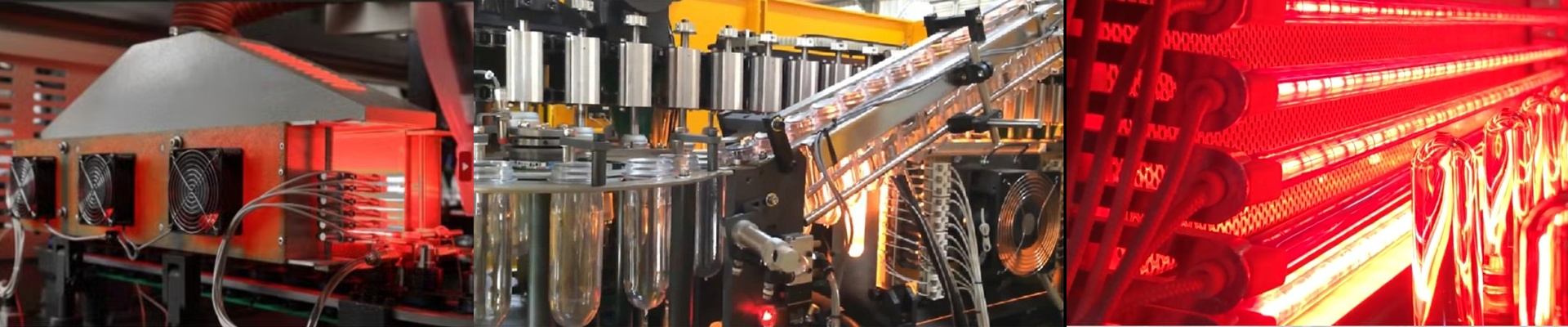
Here’s the thing: most heaters just warm up the air. But quartz is different. It uses short-wave infrared radiation to send energy straight into the dough. It’s incredibly fast. When the thermostat realizes the oven is dipping—which always happens the second you slide a cold pizza onto a hot stone—the quartz filament jumps back to the target temperature almost instantly. No lagging. No waiting. Just consistent heat.
The Nitty-Gritty on Materials
We use fused silica quartz because it can take a beating. If you tried using regular glass, it would shatter the moment the cooling fan kicked in. It just can’t handle that kind of thermal shock. We also balance the wall thickness of the tube to keep the internal halogen gas exactly where it needs to be. That gas is what keeps the tungsten filament from burning out after a few shifts. **One quick warning on the wiring.**These tubes pull a lot of current. If your connectors are loose or too small, you’ll see arcing at the terminals. It’s messy and dangerous. Stick with heavy-duty ceramics to make sure your wire insulation doesn’t melt into a puddle.
Finding the Sweet Spot
You have to find a balance between raw power and control. If the wattage is too high, you’ll scorch the toppings before the bottom of the crust even gets warm. We tune the wattage specifically to the size of the oven to avoid that “burnt top, raw bottom” disaster. And if you’re pushing your oven to the limit, don’t forget the housing. Quartz radiates heat everywhere. Without a good reflective backing, you’re basically wasting 30% of your power heating up the oven’s metal frame instead of your pizza.