
Stop Fighting Your SIPA Rotary Machine’s Heat
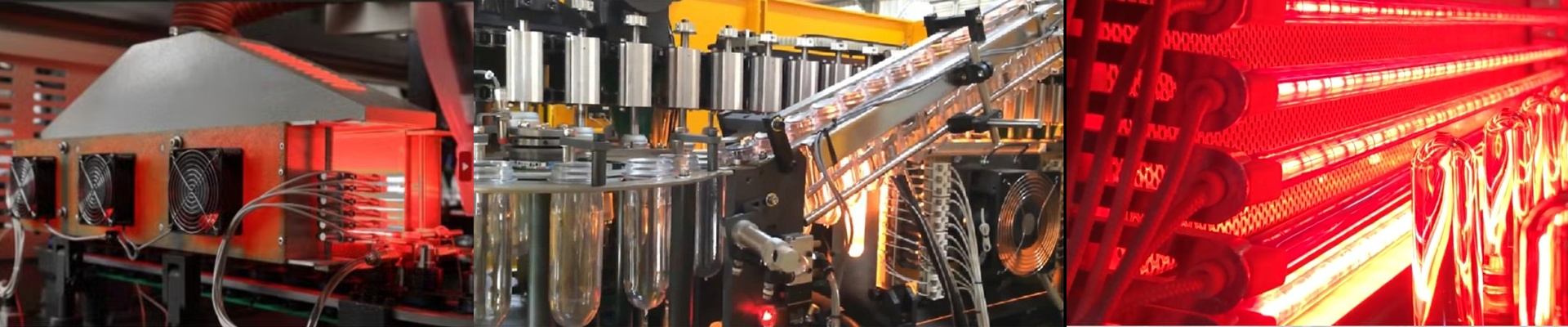
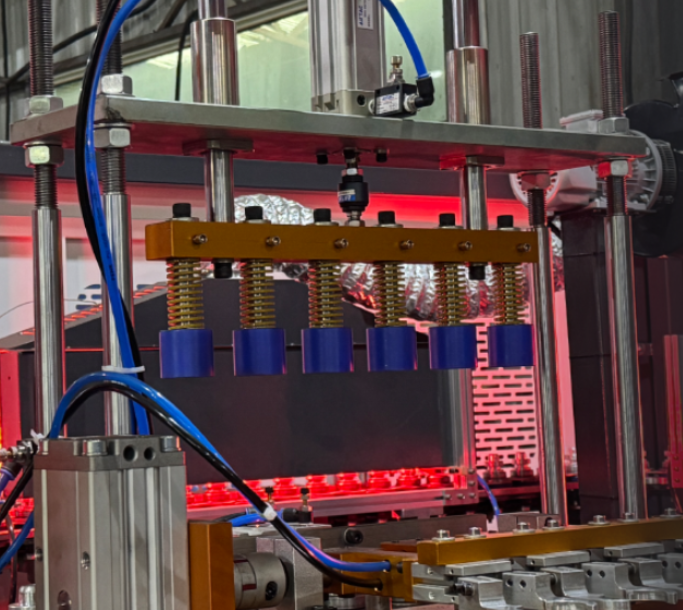
Ever feel like you’re playing a guessing game with your oven temperatures? One minute the bottles look great, and the next, you’ve got weird wall thickness or deformation. Usually, the culprit is something small: a replacement lamp that isn’t quite right. Here’s the thing. If you swap in a lamp that’s even 5% off from the original spec, you’ve just created a hot or cold spot in your oven. It doesn’t sound like much, but in PET blowing, it’s everything. The “Close Enough” Trap A lot of people try to save a few bucks with generic lamps that are “close enough” to the specs. But for a SIPA rotary system, that’s a recipe for a headache. We build our lamps to hit the exact wattage your specific resin grade needs. Why? Because you need that infrared energy to soak into the preform consistently across every single zone. When the power matches perfectly, the heat profile stays flat. No surprises. What’s Actually Under the Hood We use high-purity quartz glass because these things take a beating with rapid heating and cooling. The filaments are calibrated for shortwave infrared. This is the secret sauce—it pushes heat into the center of the preform without scorching the surface. And about those R7s or SK15 connectors? They aren’t just there to make the lamp fit. They’re designed for a tight, low-resistance connection. If that connection is loose or cheap, you get arcing. Then you’re looking at burnt-out sockets and more downtime. Real Talk from the Shop Floor These lamps pack a punch. They ramp up fast, which is great for production, but there’s a catch. All that energy puts a massive load on your reflectors. If your reflectors are pitted, oxidized, or just plain dirty, you’re throwing away about 20% of your heat. Worse, that wasted energy ends up overheating your oven housing. My advice? Every time you swap a burnt-out tube, take a second to look at the reflector. If it’s dull, clean it or replace it. When you get the power specs right, you can stop messing with the PLC settings every ten minutes. You just wire it up, set your profile, and get back to work.