
Cutting Carbon in the Kitchen: The Magic of Nichrome IR Tubes
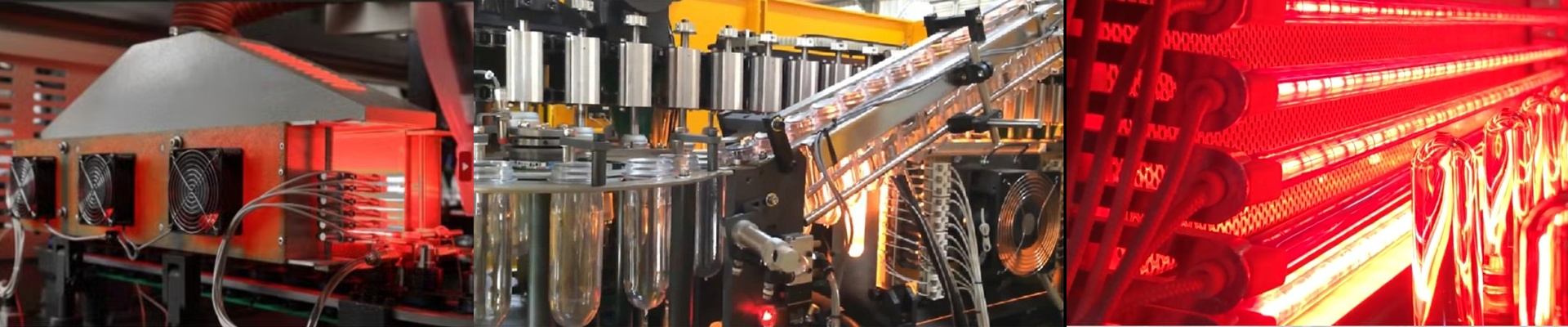
Old-school deck ovens are basically giant bricks. They rely on massive amounts of thermal mass and slow air movement to get the job done. It works, sure, but it wastes a ton of energy. We’re moving away from that and leaning into infrared (IR) tech with Nichrome heating tubes. It’s a much cleaner way to bake. How it actually works Most heaters just warm up the air, and then the air warms up your bread. It’s inefficient. IR tubes are different. They send electromagnetic radiation straight into the dough and the stone. You’re skipping the middleman. Because the heat goes directly where it needs to be, the oven hits temperature way faster. It also doesn’t have to work nearly as hard to stay hot. We use Nichrome (a nickel-chromium alloy) because it builds up its own protective layer. This keeps the wire from just burning out when you’re cycling the heat up and down all day. The nitty-gritty on power When we’re picking these tubes, we look at the wattage-per-centimeter. The goal is high density. This means you can have a smaller heating area without losing any of the actual heat output. Plus, you can zone them. You can put more heat exactly where you need it, which means no more “cold spots” in the back of the oven. Just a heads-up: if you go for a high-wattage setup, make sure your control boards can handle the current spikes when you first flip the switch. You don’t want to be replacing blown fuses in the middle of a rush. Why this matters for the planet “Green baking” sounds like a marketing buzzword, but in reality, it’s just about using fewer kilowatt-hours per loaf. IR tubes react instantly. You can click the heat on or off in seconds. Compare that to a massive cast-iron slab that takes forever to cool down, and the difference is huge. You stop wasting energy just to keep a big piece of metal hot while you’re not even baking. Getting them installed (and keeping them happy) The best part? These are basically drop-in replacements for those old resistive coils. You plug them into your existing circuit, and suddenly your thermal profile is much tighter. One thing to watch out for: these tubes are picky about cleanliness. If flour dust or grease builds up on the quartz or ceramic sleeve, it messes with the heat pattern. Eventually, it can even kill the tube. Keep the glass clean. It’s the simplest way to make sure you’re getting the most out of your gear.